
Running a small business today is very different from a decade ago. Customers search online before visiting stores, compare services on Google, and often discover brands through social media or search engines. Because of this shift, digital marketing for small businesses has become one of the most important ways to attract new customers and grow consistently.
The good news is that digital marketing allows small businesses to compete with larger companies without massive advertising budgets. With the right strategies, even a small local business can reach the right audience, build trust, and generate leads online. From search engine optimization (SEO) to social media and paid advertising, digital marketing provides multiple channels to connect with potential customers.
In this guide, you’ll learn what digital marketing means for small businesses, the most effective marketing channels, and practical strategies you can start implementing today. Whether you’re a startup founder or a local business owner, this article will help you understand how to build a strong online presence and grow your business through digital marketing.
Table of Contents
What Is Digital Marketing?
Digital marketing refers to promoting products or services through online channels such as search engines, websites, social media platforms, and email. Unlike traditional marketing methods like print advertisements or billboards, digital marketing allows businesses to reach their audience directly where they spend most of their time — online.
For small businesses, digital marketing is particularly powerful because it allows targeted promotion. Instead of broadcasting a message to a large audience and hoping the right customers notice, businesses can use digital channels to reach people who are actively searching for their products or services. This makes marketing campaigns more efficient and cost-effective.
Another advantage of digital marketing is measurability. Businesses can track website traffic, customer engagement, leads, and sales through analytics tools. These insights help companies improve their strategies and focus on marketing channels that deliver the best results.
Why Digital Marketing Is Important for Small Businesses?
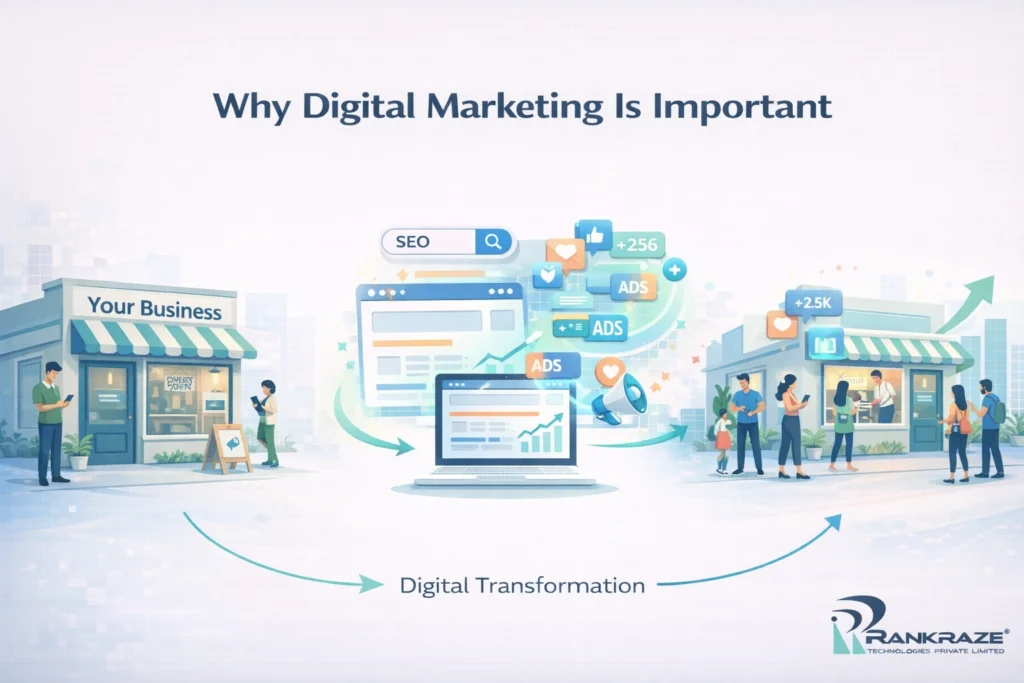
Digital marketing helps small businesses compete with larger brands by giving them access to the same online platforms and marketing tools. A local business with a strong online presence can attract customers just as effectively as a large company with a big advertising budget.
One of the biggest benefits of digital marketing is visibility. When customers search for products or services online, businesses that appear in search results or social media feeds have a much higher chance of being discovered. Without digital marketing, even great products or services may remain invisible to potential customers.
Digital marketing also builds trust and credibility. A well-designed website, helpful blog content, and active social media profiles signal professionalism and reliability. When customers see that a business consistently shares valuable information and interacts with its audience online, they are more likely to choose that business over competitors.
Types of Digital Marketing Channels for Small Businesses
Digital marketing includes several different channels, each with its own strengths. Successful small businesses often combine multiple channels to create a balanced marketing strategy.
Search Engine Optimization (SEO)
SEO is the process of improving a website so it ranks higher in search engine results. When someone searches for products or services related to your business, SEO helps your website appear among the top results. This increases visibility and brings consistent organic traffic without paying for ads.
For small businesses, local SEO is especially valuable. Optimizing your website and business profile for location-based searches can help attract customers nearby who are actively looking for your services. For further details, Please read our guide to SEO tips for small businesses.
Social Media Marketing
Social media platforms allow businesses to engage directly with their audience. Platforms like Instagram, Facebook, LinkedIn, and TikTok help businesses showcase their products, share updates, and build relationships with potential customers.
For small businesses, social media marketing is an effective way to build brand awareness and interact with customers. Regular posts, stories, and engaging content can help create a loyal online community around your brand.
Content Marketing
Content marketing involves creating valuable content such as blog posts, videos, guides, or tutorials that help customers solve problems or learn something useful. Instead of directly promoting products, content marketing focuses on educating and building trust with the audience.
Blog articles, educational videos, and downloadable guides can attract visitors through search engines and gradually convert them into customers.
Email Marketing
Email marketing is one of the most cost-effective ways to maintain communication with existing customers. Businesses can send newsletters, promotions, updates, or personalized offers directly to their subscribers.
For small businesses, email marketing helps nurture long-term relationships with customers and encourages repeat purchases.
Pay-Per-Click Advertising (PPC)
PPC advertising allows businesses to place ads on search engines and social media platforms. Instead of waiting for organic traffic, paid advertising helps businesses reach potential customers immediately.
Platforms like Google Ads and Facebook Ads allow businesses to target specific audiences based on location, interests, and demographics.
Digital Marketing Strategy for Small Businesses
A successful digital marketing strategy begins with clear planning. Instead of trying every marketing channel at once, small businesses should focus on building a structured approach that aligns with their goals.
Step 1: Define Your Target Audience
Understanding your target audience is the foundation of any marketing strategy. Businesses should identify who their ideal customers are, what problems they face, and how their products or services can solve those problems.
Knowing your audience helps determine which marketing channels to prioritize and what type of content will resonate most with potential customers.
Step 2: Choose the Right Marketing Channels
Not every marketing channel is equally effective for every business. For example, a local restaurant may benefit more from local SEO and social media marketing, while a software company might focus on content marketing and search engine optimization.
Small businesses should select the channels that align best with their audience and marketing objectives.
Step 3: Create Valuable Content
Content plays a major role in attracting and engaging potential customers. Businesses should create content that educates, informs, or solves problems for their audience.
Examples include blog posts, social media content, how-to guides, or video tutorials. Valuable content not only attracts visitors but also positions the business as a trusted authority in its industry.
Step 4: Optimize Your Website
Your website serves as the central hub of your digital marketing efforts. It should provide clear information about your products or services, load quickly, and be easy to navigate on both desktop and mobile devices.
Search engine optimization should also be implemented so that your website can rank for relevant keywords and attract organic traffic.
Step 5: Measure and Improve
One of the advantages of digital marketing is the ability to measure results. Businesses should track metrics such as website traffic, leads, conversions, and engagement to evaluate the effectiveness of their marketing strategies.
By analyzing performance data, businesses can continuously refine their approach and focus on the channels that deliver the best results.
Best Digital Marketing Strategies for Small Businesses
While there are many digital marketing techniques available, some strategies are particularly effective for small businesses.
Local SEO
Local SEO helps businesses appear in search results when people look for services in their area. Creating and optimizing a Google Business Profile, gathering customer reviews, and ensuring consistent contact information across directories can significantly improve local visibility.
Local SEO is especially important for businesses that rely on nearby customers, such as restaurants, salons, repair services, and local stores.
Social Media Engagement
Building an active presence on social media allows businesses to interact with their audience and showcase their brand personality. Posting regularly, responding to comments, and sharing customer experiences help build stronger relationships with followers.
Social media also allows businesses to promote special offers and announcements directly to their audience.
Content Marketing and Blogging
Publishing helpful blog posts is a powerful way to attract organic traffic from search engines. When businesses create informative content related to their industry, they can reach potential customers who are searching for solutions online.
Over time, consistent blogging helps build authority and trust with both search engines and readers.
Paid Advertising
Paid ads allow businesses to reach potential customers quickly. For example, Google Ads can display advertisements to users searching for specific keywords, while social media ads allow businesses to target users based on interests and demographics.
Even small advertising budgets can generate meaningful results when campaigns are well targeted.
How Much Does Digital Marketing Cost for Small Businesses?
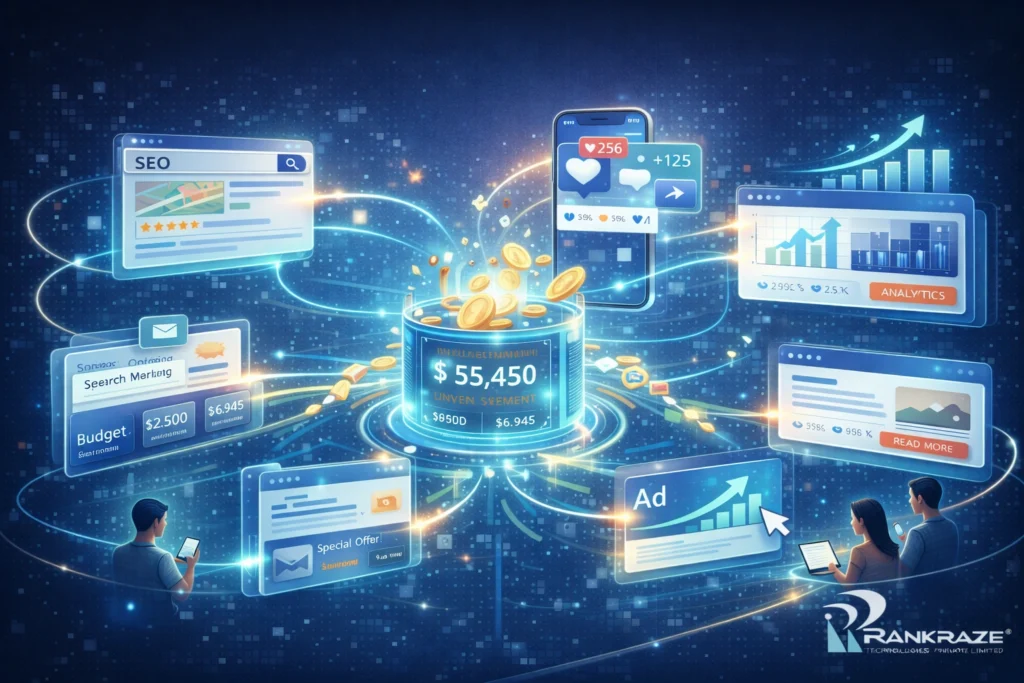
The cost of digital marketing varies depending on the strategies and channels used. Some approaches, such as content marketing and SEO, require time and consistent effort but may not require large upfront budgets.
Paid advertising, on the other hand, involves direct spending on ads but can generate immediate traffic and leads. Small businesses often begin with modest budgets and gradually increase their investment as they see positive results.
In many cases, businesses can start digital marketing with a few hundred dollars per month, especially if they focus on high-impact channels such as SEO, social media, and targeted advertising.
DIY Digital Marketing vs Hiring an Agency

Many small businesses begin by managing their digital marketing themselves. With online tools and educational resources available, it is possible to implement basic marketing strategies without external assistance.
However, as a business grows, managing multiple marketing channels can become complex and time-consuming. SEO, content creation, advertising campaigns, and analytics require specialized knowledge and consistent effort to achieve strong results.
At this stage, many businesses choose to work with a professional digital marketing agency. Agencies provide expertise, strategic planning, and dedicated resources to help businesses implement marketing campaigns more effectively.
Digital marketing agencies such as Rankraze help businesses develop customized marketing strategies that include search engine optimization, content marketing, social media management, and paid advertising.
Real Insights from Business Owners About Digital Marketing
1. Ecowrkz – Local SEO for Discoverability
A practical example is Ecowrkz, a coworking space provider with multiple locations. Like many service-based businesses, Ecowrkz depends heavily on customers discovering their locations through online search.
The company worked on improving visibility for the keyword “coworking space in Chennai.” By improving location pages, internal linking, and optimizing Google Business Profile listings, the business increased its presence in search results.
This type of local SEO strategy helps businesses appear when potential customers search for nearby services, which is often the moment when customers are ready to take action.
2. London Jewellery Brand L’ERA – TikTok Driving Sales
A London-based jewellery business called L’ERA has publicly shared how social media helped grow their business. The brand uses TikTok livestream shopping and short videos to promote products and interact directly with customers.
According to reporting, many of their customers first discovered the brand through TikTok, and the company expects around £145,000 in revenue through the platform in a single year.
Read: ‘A gamechanger’: 200,000 UK small businesses sign up to TikTok Shop
Founder Lara Mar explained that livestream shopping and social media content allowed them to reach a much wider audience online, leading to strong growth in sales.
This shows how social media platforms can become major sales channels for small businesses.
3. Trinny London – Building a Brand Through Digital Channels
Beauty brand Trinny London, founded by entrepreneur Trinny Woodall, built its business using a digital-first strategy focused on social media and direct online engagement.
Woodall has explained that the company relied heavily on its online community and customer data to understand buyers and improve products. The brand now serves over 1.6 million customers, and its digital presence helped the company grow into a major beauty business.
Social media content and direct communication with customers helped drive awareness and build loyalty around the brand.
4. UK SME Programs Emphasizing Digital Marketing Growth
Organizations that support small businesses in London also highlight the impact of digital marketing. Programs like Grow London Local explain that digital marketing helps small businesses increase visibility and reach more customers across the city.
According to their guidance, digital channels such as social media, content marketing, and online advertising allow businesses to reach larger audiences while keeping costs relatively low, making them accessible for small companies.
How to Measure the Success of Your Digital Marketing for Small Business

Measuring performance is essential to ensure that marketing efforts are delivering results. Several key metrics help businesses evaluate the effectiveness of their digital marketing strategies.
Website Traffic
Monitoring the number of visitors to your website helps determine whether your marketing campaigns are attracting new audiences.
Lead Generation
Leads represent potential customers who have shown interest in your products or services. Tracking how many leads are generated through digital marketing helps evaluate campaign effectiveness.
Conversion Rate
Conversion rate measures how many visitors take a desired action, such as making a purchase or filling out a contact form. Higher conversion rates indicate that marketing strategies are effectively persuading visitors to become customers.
Return on Investment (ROI)
ROI measures the profitability of marketing campaigns. By comparing marketing costs with revenue generated, businesses can determine which strategies deliver the highest return.
Conclusion
Digital marketing has transformed the way small businesses connect with their customers. With the right strategies, even small companies can reach a global audience, attract targeted leads, and compete with larger brands online.
By focusing on key channels such as SEO, social media, content marketing, and paid advertising, businesses can build a strong digital presence and grow sustainably. The most important step is to start with a clear strategy, understand your audience, and continuously improve your marketing efforts based on real data.
While many businesses begin with DIY marketing strategies, partnering with experienced professionals can help accelerate growth and deliver more consistent results. Digital marketing agencies like Rankraze support businesses by implementing customized strategies designed to attract customers and drive measurable growth.
Also read: Digital Marketing Trends in 2026: What’s Actually Shaping the Future of Marketing
What is the best digital marketing strategy for small businesses?
The best strategy usually combines several channels, including SEO, social media marketing, and content marketing. The ideal approach depends on the business’s goals, audience, and industry.
How much should a small business spend on digital marketing?
Marketing budgets vary widely, but many small businesses allocate between 5% and 10% of their revenue to marketing activities.
Which digital marketing channel works best for small businesses?
Search engine optimization and social media marketing are often highly effective because they help businesses reach customers actively searching for products or services.
Can small businesses handle digital marketing themselves?
Yes, many businesses start with DIY marketing strategies. However, working with experienced professionals can help implement more advanced strategies and scale marketing efforts more efficiently.