Most business owners don’t struggle because they lack a product.
They struggle because people simply don’t see them.
You might have the best service in your city, a better price than competitors, or even years of experience — but if your customers are searching online and you’re not there, none of that matters.
This is where digital marketing quietly becomes the difference between:
- a business that survives
- and a business that grows
The challenge is, when people search for “benefits of digital marketing,” they usually find generic lists. Things like “more reach” or “better targeting.”
But that doesn’t help you make decisions.
So in this guide, we’re going deeper.
By the end of this, you’ll understand:
- what digital marketing actually does for a business (in real terms)
- how each benefit translates into revenue, leads, or growth
- and most importantly, how to implement it step by step
Table of Contents
What Is Digital Marketing (And Why It Matters More Than Ever)
Digital marketing is simply the process of using online channels to attract, engage, and convert customers. In other words, connecting the right businessesto the right audience.
That includes:
- search engines (Google)
- social media (Instagram, LinkedIn, YouTube)
- paid ads (Google Ads, Meta Ads)
- email marketing
- content marketing
But here’s the key shift most people miss:
Digital marketing is not just promotion anymore.
It’s how customers discover, evaluate, and choose your business.
Think about your own behaviour:
- You search before buying
- You compare options
- You read reviews
- You watch videos
Your customers are doing the exact same thing.
Why Businesses Are Moving to Digital Marketing
This isn’t a trend. It’s a shift in behaviour.
Customers today don’t wait to be sold to — they search.
If you’re not visible in that moment, your competitor is.
And this is why businesses are moving aggressively into digital channels. Not because it’s “modern,” but because it’s measurable, scalable, and controllable.
At this stage, you should start thinking about your own business:
- Where do your customers search first?
- What platform do they trust?
- What information do they need before choosing?
If you’re unsure, start by exploring how businesses approach this in this digital marketing for small business guide — it gives you a practical foundation.
The Core Benefits of Digital Marketing (Explained with Real Execution)
Let’s go beyond surface-level benefits.
1. You Can Reach the Right Audience — Not Just More People
Traditional marketing pushes messages to everyone.
Digital marketing allows you to choose exactly who sees your content.
But this only works if you do it correctly.
How to Actually Do This:
Let’s say you’re using Google Ads.
- Go to Google Ads → Create Campaign
- Choose objective: “Leads” or “Website Traffic”
- In the audience section:
- target by location (e.g., London)
- add keywords like “accountant near me”
- Set budget and launch
Now, instead of showing ads to random people, you’re reaching someone actively searching.
With Meta Ads:
- Go to Meta Ads Manager
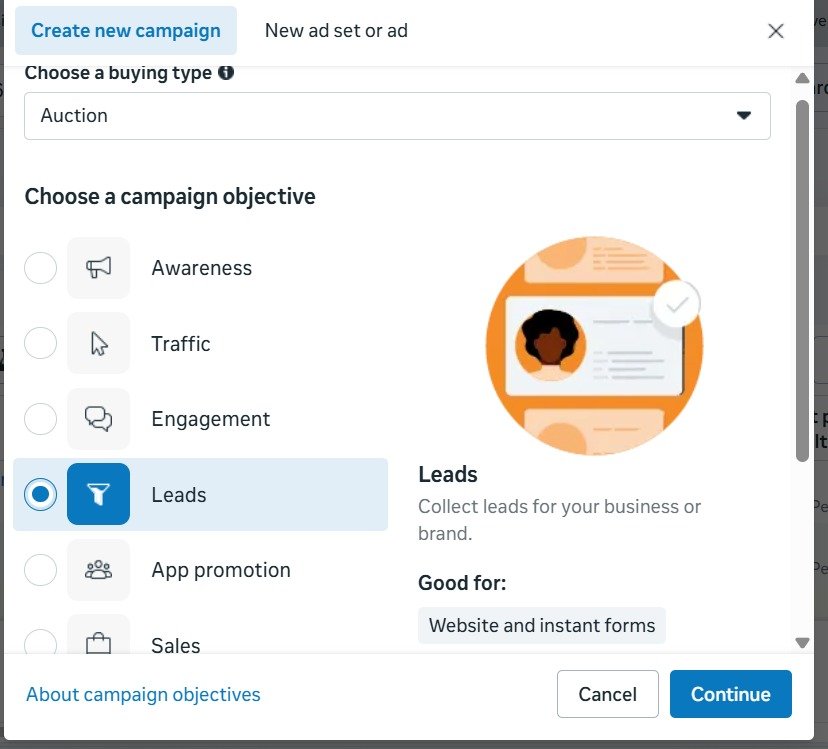
- Create campaign → choose “Leads”
- Define audience:
- interests (e.g., business owners, startups)
- location
- Monitor:
- CTR (click-through rate)
- Cost per result
This is where digital marketing becomes powerful — not because of reach, but because of precision.
2. It’s Cost-Effective (If You Know What You’re Doing)
Most people hear this and think: “Digital marketing is cheap.”
That’s not true.
It’s efficient.
The difference is important.
Instead of spending ₹50,000 on a billboard with unknown results, you can:
- spend ₹500/day on ads
- track every click
- adjust instantly
How to Measure This Properly:
Go to Google Analytics (GA4):
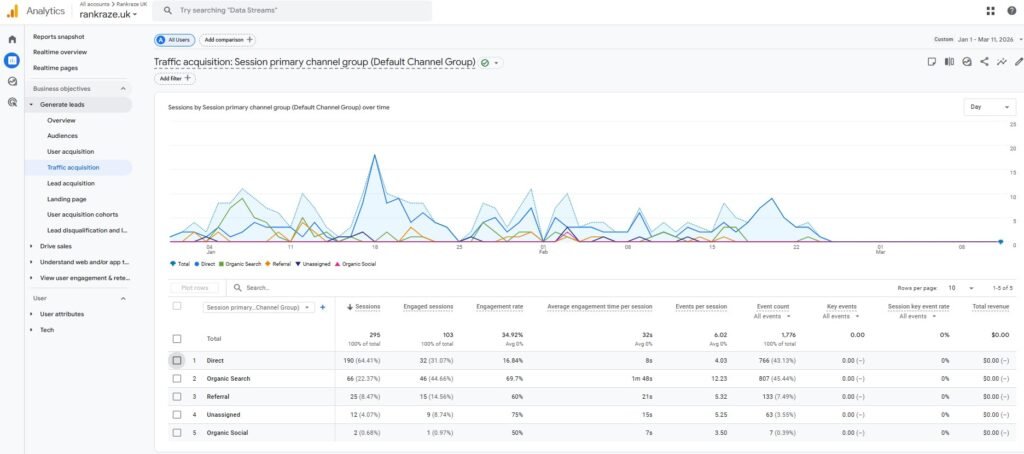
- Navigate to → Reports → Business Objectives → Traffic Acquisition
- Check:
- which channels bring traffic
- which convert
Then go to Google Ads → Campaign → Metrics:
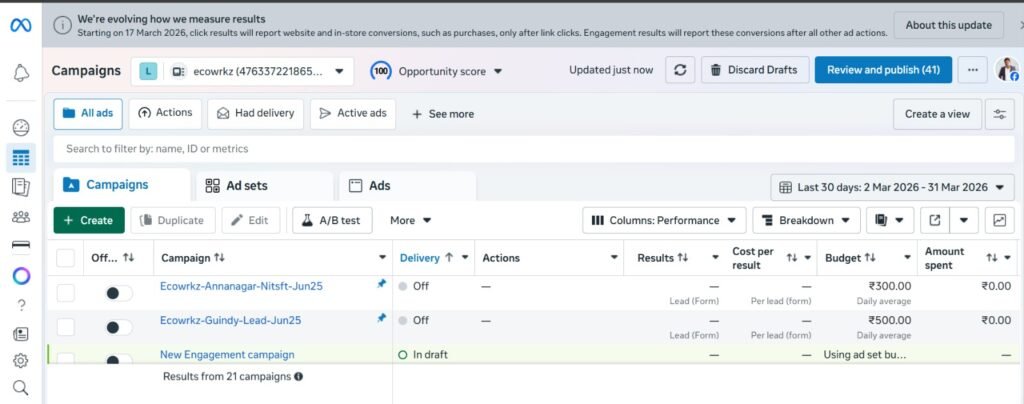
- Check:
- Cost per click (CPC)
- Conversion rate
If a campaign is not working, you don’t wait. You optimise.
3. You Can Track Everything (And Improve Faster)
This is one of the biggest advantages — and most underused.
Digital marketing removes guessing.
Example:
You publish a blog.
Using Google Search Console:
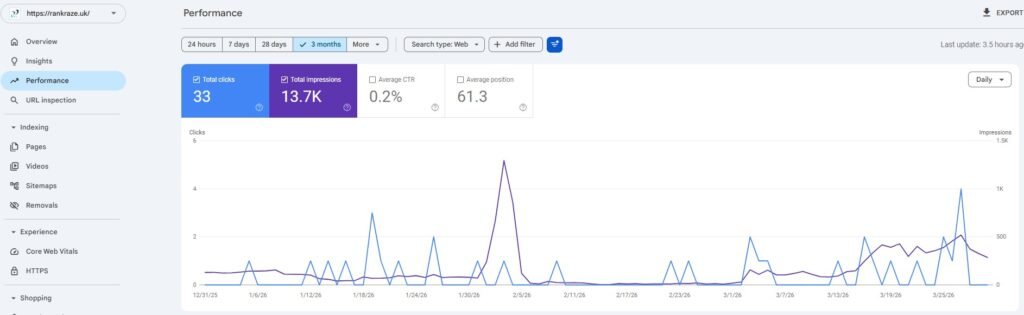
- Go to → Performance
- Check:
- impressions
- clicks
- keywords
If a page gets impressions but low clicks → your title needs improvement.
If it gets clicks but no conversions → your content needs improvement.
This loop is what makes digital marketing powerful:
data → insight → action → growth
4. Higher ROI Compared to Traditional Marketing
ROI (Return on Investment) improves because:
- targeting is precise
- tracking is accurate
- optimisation is continuous
But here’s how you actually improve ROI:
Step-by-Step Example:
Let’s say you run SEO.
- Enter competitor domain
- Go to “Top Pages”
- Identify:
- pages getting traffic
- keywords driving it
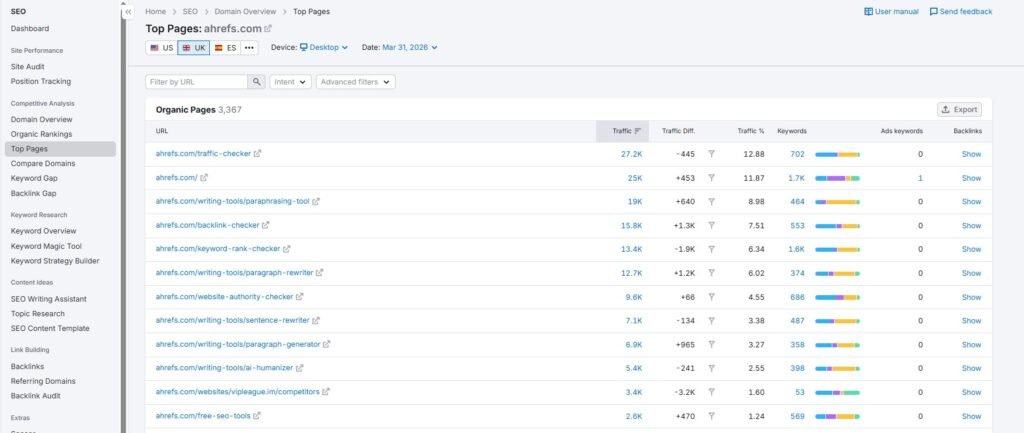
Then:
- create better content
- optimise for intent
- build internal links
This is exactly how long-term ROI is built.
5. It Builds Long-Term Assets (Not Just Short-Term Results)
Ads stop when budget stops.
SEO and content don’t.
If you create a strong piece of content today, it can:
- rank for months or years
- bring consistent traffic
- generate leads passively
For example, if you study SEO statistics for 2026, you’ll notice how long-term content continues to drive results.
6. It Improves Conversion Through Personalisation
Customers don’t respond to generic messages anymore.
They respond to relevance.
Example:
With email marketing tools:
- segment users (new vs returning)
- send targeted messages
With Meta Ads:
- create retargeting campaigns
- show ads only to people who visited your website
This is where conversion rates increase significantly.
7. You Can Scale What Works
This is where digital marketing becomes powerful for growth.
Let’s say:
- one ad is working
- one blog is ranking
You don’t stop there.
You scale.
How to Scale:
In Google Ads:
- increase budget gradually
- duplicate high-performing campaigns
In SEO:
- find related keywords using Semrush → Keyword Magic Tool
- create supporting content
This is exactly how structured growth works.
If you want a clearer system for this, you can refer to this digital marketing strategy guide.
Digital Marketing vs Traditional Marketing (The Real Difference)
| Digital Marketing | Traditional Marketing |
| Measurable | Hard to measure |
| Targeted | Broad |
| Scalable | Limited |
| Data-driven | Guesswork |
| Cost-efficient | Expensive |
The difference is not just technology — it’s control.
Real Business Scenarios (What Actually Happens in Practice)
Let’s make this practical.
Scenario 1: Local Business
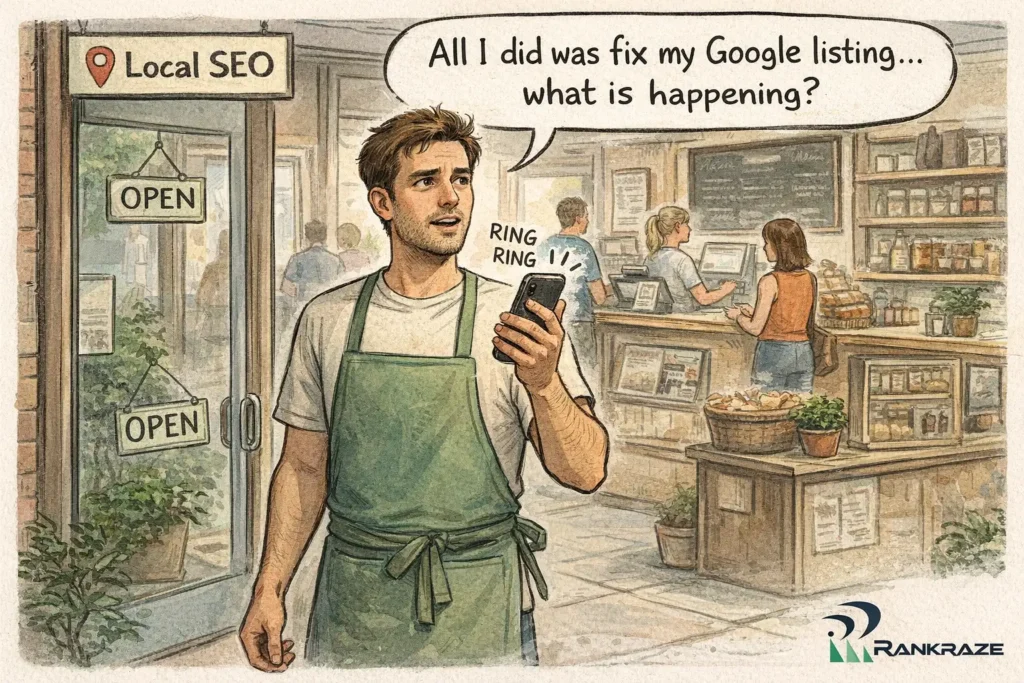
A coworking brand like Ecowrkz wasn’t lacking demand — people were already searching.
The issue was visibility.
Searches like:
“Coworking space in Chennai”
“Coworking space in Anna Nagar”
“Coworking space in Guindy”
…were happening daily, but they weren’t consistently appearing.
What We Did?
We focused on Google Business Profile + Local SEO:
- Optimised GMB with location-based keywords
- Improved profile content, categories, and images
- Strengthened local relevance for Chennai, Anna Nagar, and Guindy
- Result
- Increase in calls and enquiries
- More walk-ins from local searches
- Higher intent leads (people already searching for coworking spaces)
Result:
- Increase in calls and enquiries
- More walk-ins from local searches
- Higher intent leads (people already searching for coworking spaces)
Simple insight:
You don’t need more traffic — you need to show up when people are already searching.
Scenario 2: Generate Leads through tAds
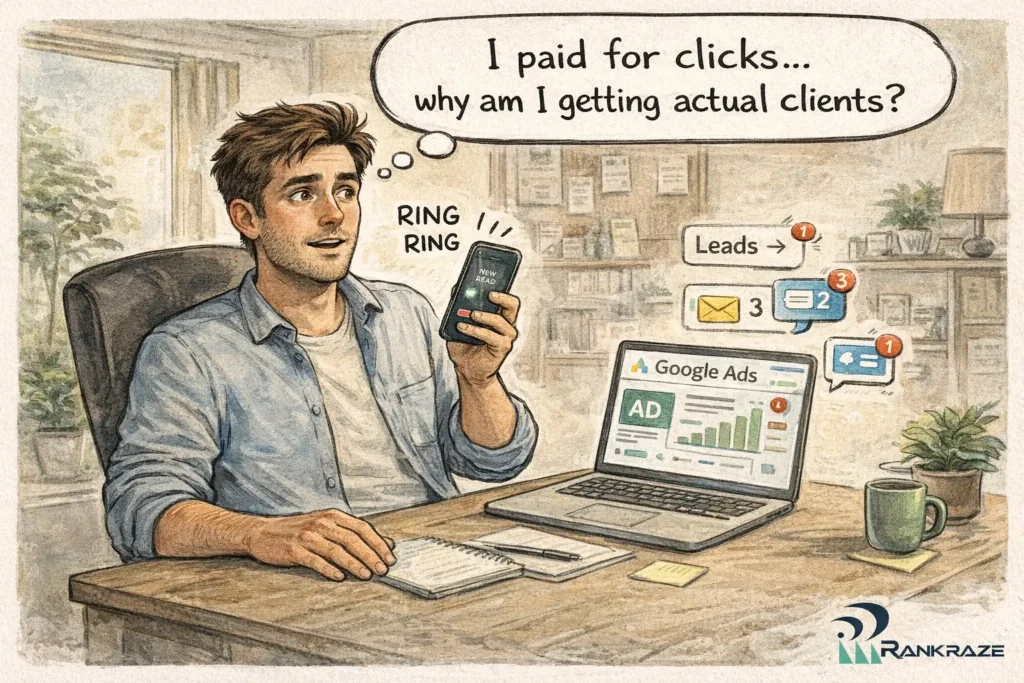
For 360 Abroad, the focus was simple — generate leads from people already searching for study abroad options.
Instead of relying on organic alone, we used Google Ads to capture high-intent searches.
What We Did?
- Ran Google Ads targeting study abroad keywords
- Focused on intent-based searches (not broad traffic)
- Continuously optimised campaigns for better cost efficiency
Result:
- Consistent flow of leads
- More qualified enquiries from ads
- Predictable cost per lead over time
Simple insight:
When you target the right keywords, ads don’t feel like spending — they become a lead system.
Scenario 3: Content Strategy
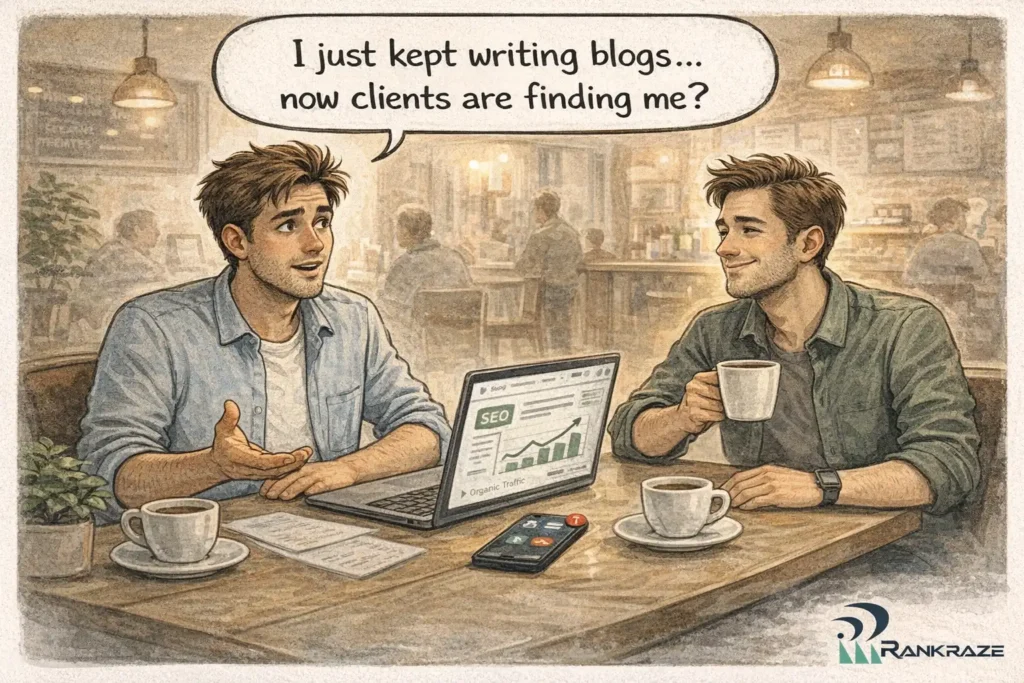
For Prajhatrust, growth didn’t come from ads — it came from consistent content.
Instead of pushing promotions, we focused on writing blogs around what people were already searching for:
- charity-related topics
- donation intent keywords
- awareness-driven content
What We Did?
- Created blogs targeting real search queries
- Focused on intent-driven topics (not random content)
- Naturally connected content to donation and CSR pages
Result:
- Steady organic traffic growth
- Inbound leads and donation interest from search
- People discovering Prajhatrust without paid promotion
Simple insight:
When content aligns with what people are searching for, you don’t chase leads — they come to you.
Common Mistakes Businesses Make
Most businesses fail not because digital marketing doesn’t work, but because they approach it incorrectly.
The biggest mistakes:
- doing everything randomly
- no tracking setup
- targeting wrong audience
- expecting instant results from SEO
At this stage, you should pause and ask:
“Are you measuring your efforts, or just doing activities?”
How to Actually Get Results (Step-by-Step Thinking)
Let’s simplify execution.
Step 1: Choose One Primary Channel
Don’t start with everything.
- SEO
- Google Ads
- Social media
Pick one based on your business.
Step 2: Set Up Tracking
Use:
- Google Analytics
- Google Search Console
Without tracking, you’re blind.
Step 3: Execute Consistently
This is where most people fail.
Consistency beats intensity.
Step 4: Analyse and Improve
- what works → scale
- what doesn’t → fix
Mid-Point Reality Check
At this stage, you should realise:
Digital marketing is not complicated.
But it is system-driven.
If managing all of this feels overwhelming, that’s completely normal — because execution requires structure, not just effort.
How Rankraze Helps Businesses Grow (Natural Integration)
This is where structured systems make a difference.
Instead of:
- guessing strategies
- trying random tools
A structured approach focuses on:
- identifying high-impact channels
- building consistent systems
- tracking real results
For example:
- combining SEO + content
- aligning ads with intent
- improving conversion through funnel design
If you’re exploring lead generation specifically, this social media marketing funnel guide explains how businesses turn traffic into actual leads.
Where Most Businesses Get Stuck (And How to Think Differently)
The biggest mistake is thinking:
“Which platform should I use?”
The better question is:
“Where is my customer already active, and how do I meet them there?”
This shift changes everything.
The Future of Digital Marketing (What You Should Prepare For)
Digital marketing is evolving fast.
AI, automation, and data are changing execution.
If you want to stay ahead, it’s worth understanding upcoming changes in this digital marketing trends in 2026 guide.
Final Thoughts: What You Should Do Next
If you’ve read this far, you already understand something important:
Digital marketing is not optional anymore.
It’s not about whether you should use it —
it’s about how effectively you use it.
Your next steps:
- start with one channel
- set up tracking
- execute consistently
- improve based on data
And if you want to accelerate this process without trial and error, structured guidance makes a huge difference. And remember, a digital marketing company can do all those things for you and you can simply sit and watch what happening.
1. What are the main benefits of digital marketing?
The main benefits of digital marketing include targeted audience reach, measurable performance, cost efficiency, higher ROI, and the ability to scale campaigns quickly. Unlike traditional marketing, it allows businesses to track user behaviour in real time and optimise strategies based on actual data rather than assumptions.
2. Why is digital marketing important for small businesses?
Digital marketing helps small businesses compete with larger brands by giving them access to the same platforms—like Google, social media, and paid ads—without requiring massive budgets. It allows them to target specific audiences, generate leads consistently, and build brand visibility over time.
If you’re starting out, this becomes clearer when you explore how it works in real scenarios through this digital marketing for small business guide.
3. Is digital marketing better than traditional marketing?
Digital marketing is generally more effective because it is measurable, targeted, and adaptable. While traditional marketing relies on broad exposure, digital marketing allows businesses to reach specific audiences, track performance metrics like clicks and conversions, and adjust campaigns instantly for better results.
4. What are the biggest challenges in digital marketing?
Some of the most common challenges include:
1. choosing the right channel
2. maintaining consistency
3. tracking performance correctly
4. converting traffic into leads
Most issues arise from lack of strategy rather than lack of effort.