
If you’ve ever tried to plan a digital marketing campaign, you’ve probably faced this exact problem:
You understand the idea of marketing… but when it comes to execution, things feel vague.
What does a good campaign actually look like?
How do you move from “posting content” to running something that drives real results?
Most guides either stay too theoretical or just throw random examples at you without explaining how to apply them.
This guide is different.
Here, you’ll not only see real digital marketing campaigns, but you’ll also understand:
- why they worked
- how the strategy was structured
- and most importantly, how you can replicate them — even as a startup
By the end, you should be able to say:
“I know exactly how to create my own digital marketing campaign.”
Table of Contents
What Is a Digital Marketing Campaign?
A digital marketing campaign is a structured plan to promote a product, service, or idea using multiple online channels—like search engines, social media, paid ads, and email—with a clear goal such as traffic, leads, or sales.
Unlike random marketing efforts, a campaign is focused, time-bound, and measurable.
For example, instead of just “posting on Instagram,” a campaign would look like:
- targeting a specific audience
- delivering a consistent message
- tracking results across platforms
At this stage, you should start thinking of campaigns not as “content,” but as systems designed to drive outcomes.
Types of Digital Marketing Campaigns
Before jumping into examples, it helps to understand the different types of campaigns you can run. This will shape how you interpret the examples later.
Most campaigns fall into one of these categories:
- Awareness campaigns (reach, impressions)
- Lead generation campaigns (emails, signups)
- Sales campaigns (direct conversions)
- Engagement campaigns (likes, shares, interaction)
- Retention campaigns (repeat customers)
But here’s the real insight:
The best campaigns don’t stay in one category — they move people through a funnel.
If you want a deeper understanding of how campaigns connect with funnels, this breakdown on social media marketing funnel for lead generation explains it clearly.
Best Digital Marketing Campaign Examples (With Strategy Breakdown)
Now let’s get into the real learning.
Instead of just showing campaigns, we’ll break each one into:
- what they did
- why it worked
- how you can replicate it
1. ALS Ice Bucket Challenge

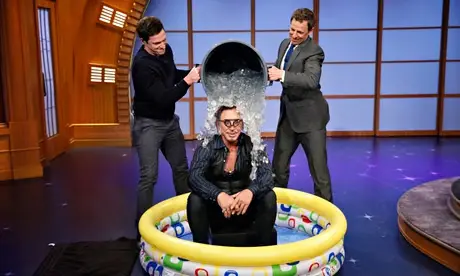
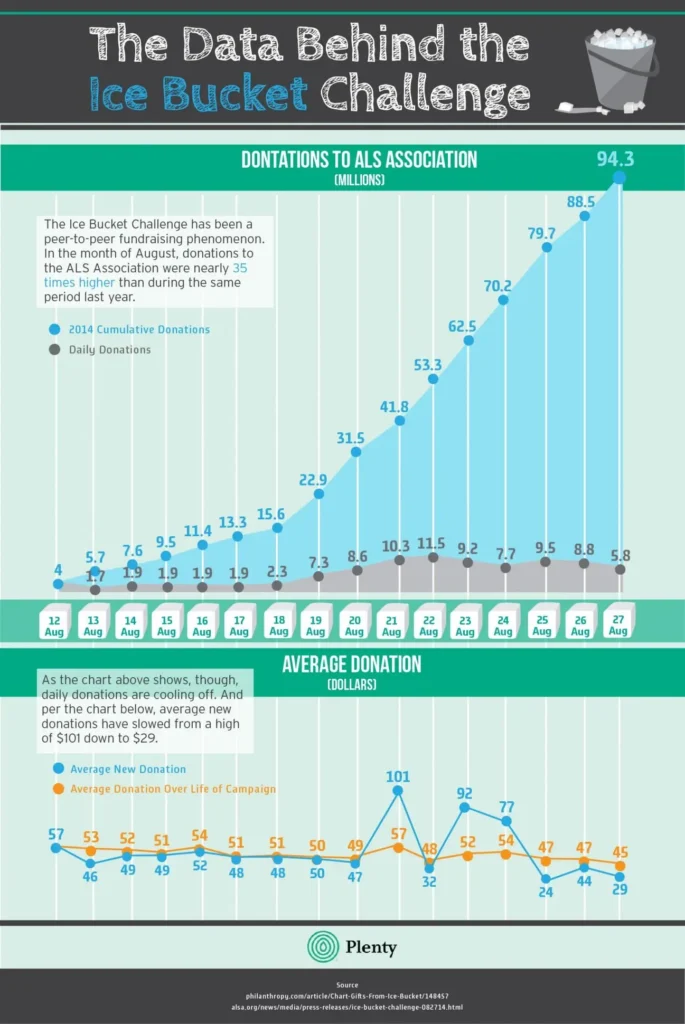
The ALS Ice Bucket Challenge wasn’t just a campaign—it became a global phenomenon that spread faster than most paid campaigns ever could.
At its core, the idea was simple: people would pour a bucket of ice water over themselves, post it online, and nominate others to do the same within 24 hours. What started as a small awareness effort quickly escalated into a worldwide movement involving celebrities, athletes, and everyday users.
But what truly made this campaign powerful wasn’t just its reach—it was how it activated human behavior.
Instead of asking people to donate directly, it asked them to participate. That subtle shift changed everything. Participation created visibility, visibility created curiosity, and curiosity drove donations.
The campaign leveraged three powerful psychological triggers:
- social pressure (nomination system)
- entertainment (fun, challenge-based content)
- simplicity (anyone could do it instantly)
This created a self-sustaining loop:
Participate → Nominate → Share → Repeat
That loop is what most campaigns fail to build.
How you can replicate this:
You don’t need millions of users or celebrities. What you need is a repeatable action loop.
Start by designing a small participation mechanic:
- a simple challenge related to your niche
- a user-generated content format
- a referral or tagging system
At this stage, focus less on reach and more on behavior design.
Ask yourself:
“What action can my audience take that naturally leads to sharing?”
If participation feels effortless and slightly rewarding, your campaign has the potential to scale organically.
2. Spotify Wrapped
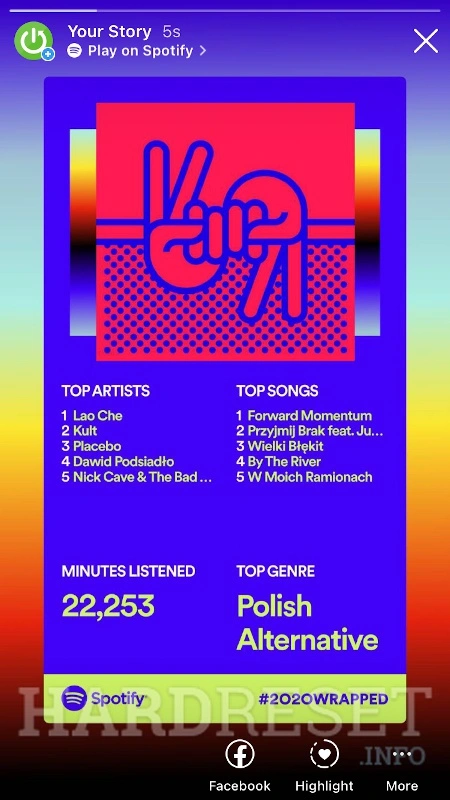
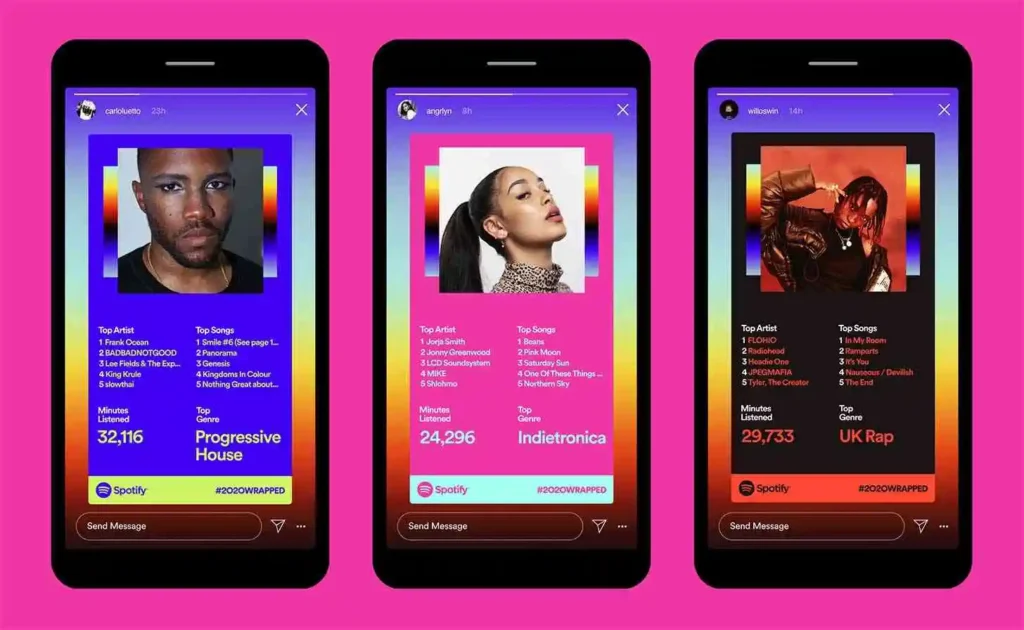
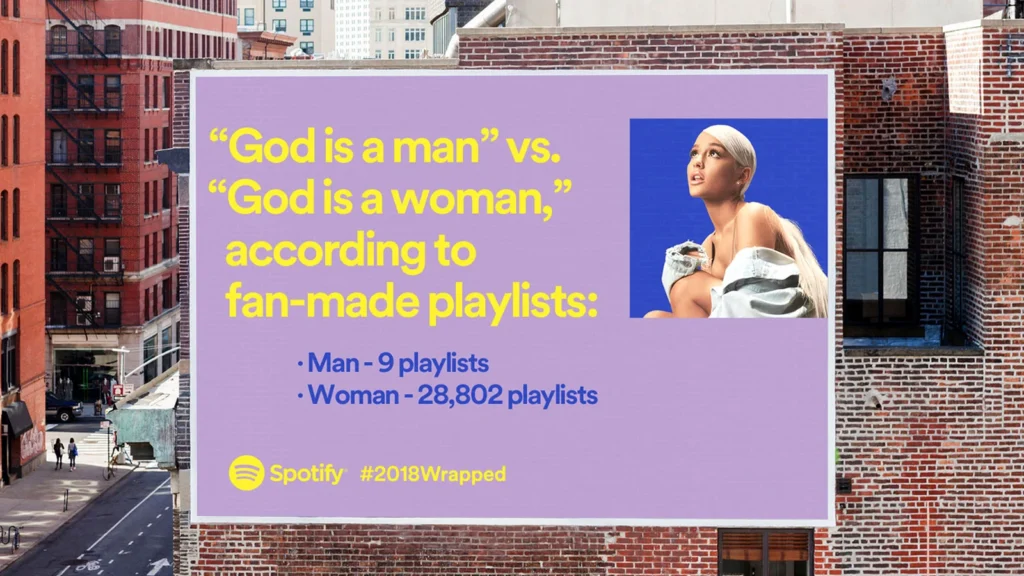
Every year, Spotify releases “Wrapped”, a personalized summary of each user’s listening habits—top songs, artists, genres, and even listening personality.
On the surface, it looks like a simple data report. But in reality, it’s one of the most sophisticated user-driven marketing campaigns ever created.
What Spotify understood is this:
People don’t just consume content—they express identity through it.
When users share their Wrapped results, they’re not promoting Spotify—they’re saying:
“This is who I am.”
That’s why the campaign spreads so naturally. It taps into self-expression, not just engagement.
Another important layer here is timing. Spotify releases Wrapped at the end of the year, when people are already reflective. This makes the content feel relevant and emotionally resonant.
Why it worked:
- personalization
- emotional connection
- built-in sharing
How to apply this:
Even if you’re a startup without massive data infrastructure, you can still apply the principle.
Start by identifying:
- what data you already have about users
- what insights could feel personal or meaningful
For example:
- progress reports
- usage summaries
- milestone achievements
Then turn that into something visual and shareable.
At this stage, think beyond analytics dashboards.
Ask yourself:
“How can I turn user behavior into a story they want to share?”
That’s the real power behind this campaign.
3. Dove – Real Beauty Campaign
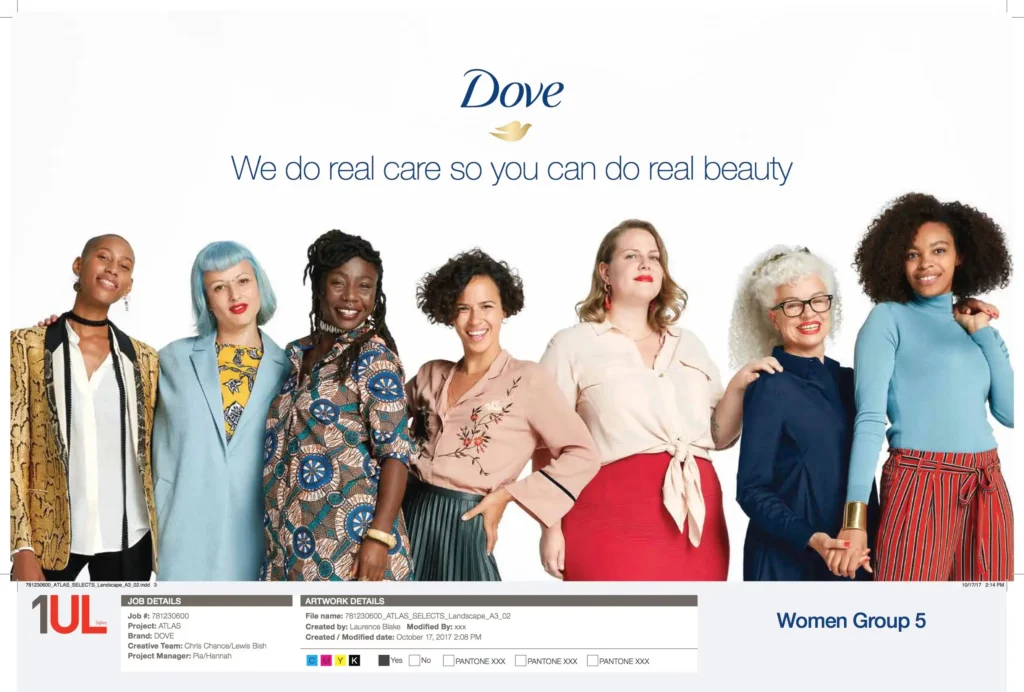
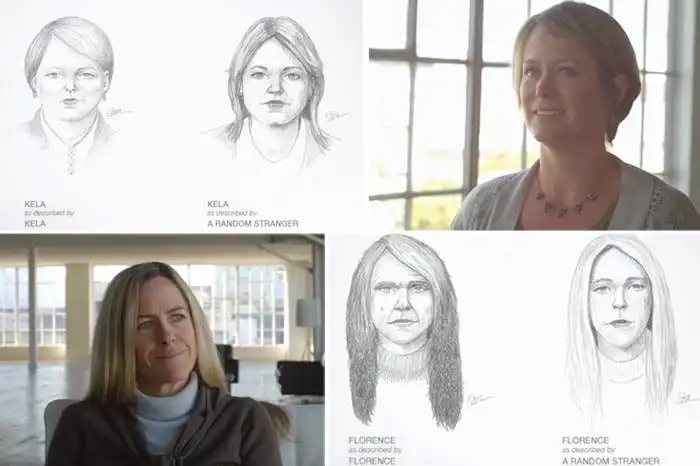
Dove’s Real Beauty campaign is one of the clearest examples of how a brand can shift from selling products to building meaning.
Instead of promoting soap features or ingredients, Dove focused on a much deeper issue—how women perceive beauty. They highlighted real people, real stories, and real insecurities, challenging the unrealistic standards often portrayed in advertising.
This wasn’t just marketing—it was positioning.
They moved from:
Product → Emotion → Belief
And once a brand becomes associated with a belief, it stops competing on price or features.
What made this campaign stand out was its consistency. It wasn’t a one-time ad. It became a long-term narrative that reinforced the same message across platforms.
Why it worked:
- emotional storytelling
- alignment with social issues
- authenticity
How to apply this:
You don’t need a global social issue to do this. But you do need clarity on what your brand stands for.
Start by asking:
“What problem or belief is deeply connected to my audience?”
Then build your messaging around that.
This could look like:
- sharing real customer stories
- highlighting struggles your audience faces
- positioning your product as part of a larger solution
At this stage, the goal is not to sell harder—it’s to connect deeper.
4. Always – #LikeAGirl
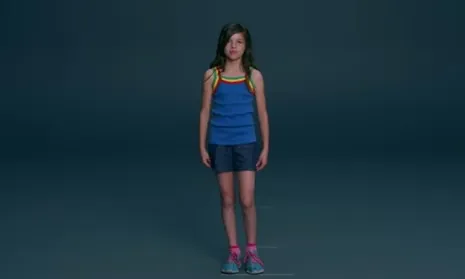


The phrase “like a girl” was traditionally used as an insult. Always turned it into a symbol of strength.
In their campaign, they asked participants to demonstrate actions “like a girl.” Younger girls performed confidently, while older participants hesitated—revealing how perception changes over time.
That contrast created a powerful emotional impact.
This campaign worked because it didn’t just deliver a message—it challenged a belief system.
It made people pause and reflect.
And when marketing creates reflection, it creates memorability.
Why it worked:
- identity-based messaging
- emotional resonance
- clarity of message
How to apply this:
Look at your industry closely.
There are always:
- assumptions
- stereotypes
- outdated beliefs
Your opportunity is to question them.
At this stage, think:
“What does my audience believe that might actually be limiting them?”
Then create content that reframes that belief.
This doesn’t require a big budget—it requires clarity of insight.
5. Airbnb – “Live There”

Airbnb faced a common challenge: competing with hotels.
Instead of trying to win on pricing or features, they shifted the narrative entirely.
They positioned their service as a way to “live like a local,” rather than just stay somewhere temporarily.
This subtle shift changed how people perceived travel.
It moved from:
Accommodation → Experience → Lifestyle
That’s a powerful repositioning.
Once people started seeing Airbnb as a way to experience culture, the decision became emotional, not transactional.
Why it worked:
- emotional shift
- experience-focused messaging
How to apply this:
If your product feels commoditized, this is your way out.
Start by asking:
“What experience does my product enable?”
Then build your campaign around that experience—not the product itself.
For example:
- instead of selling software → sell efficiency or freedom
- instead of selling services → sell outcomes
At this stage, your messaging should answer:
“What does the customer become after using this?”
6. Old Spice Campaign

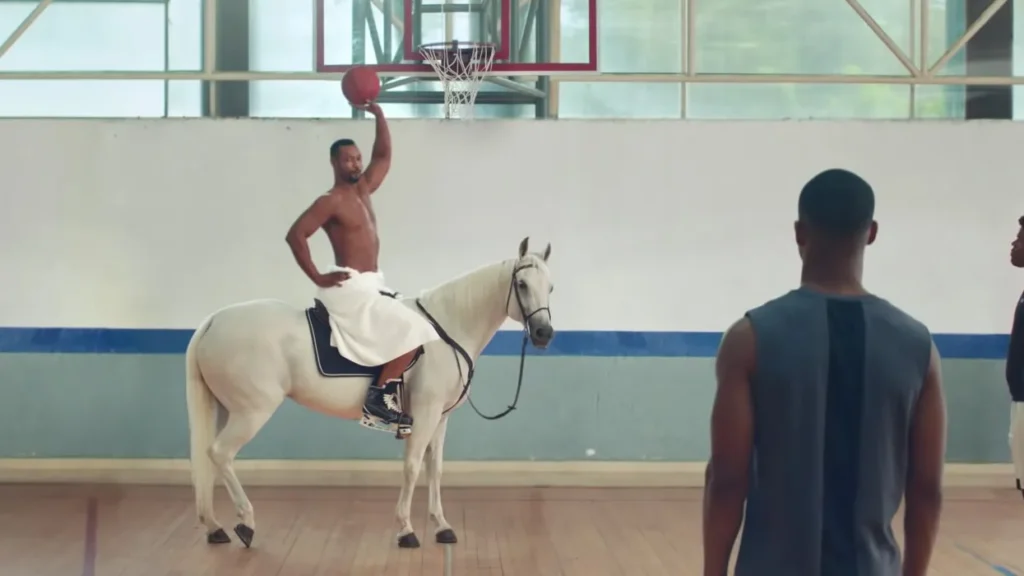
Old Spice took a category that was considered boring and turned it into something unforgettable.
The campaign used humor, absurd transitions, and fast-paced storytelling to grab attention instantly. But the real brilliance came after the ads went live.
They started responding to user comments with personalized video replies in real time.
This turned the campaign into a conversation, not just a broadcast.
That’s the key difference.
Most brands talk at users.
Old Spice talked with them.
Why it worked:
- entertainment
- fast response loop
- social interaction
How to apply this:
If you’re active on platforms like Instagram, LinkedIn, or YouTube, your comment section is an opportunity.
Instead of treating engagement as a metric, treat it as content.
At this stage:
- respond creatively
- acknowledge users publicly
- build interaction loops
Even small brands can stand out here because attention is earned through interaction, not just reach.
7. Dropbox Referral Campaign
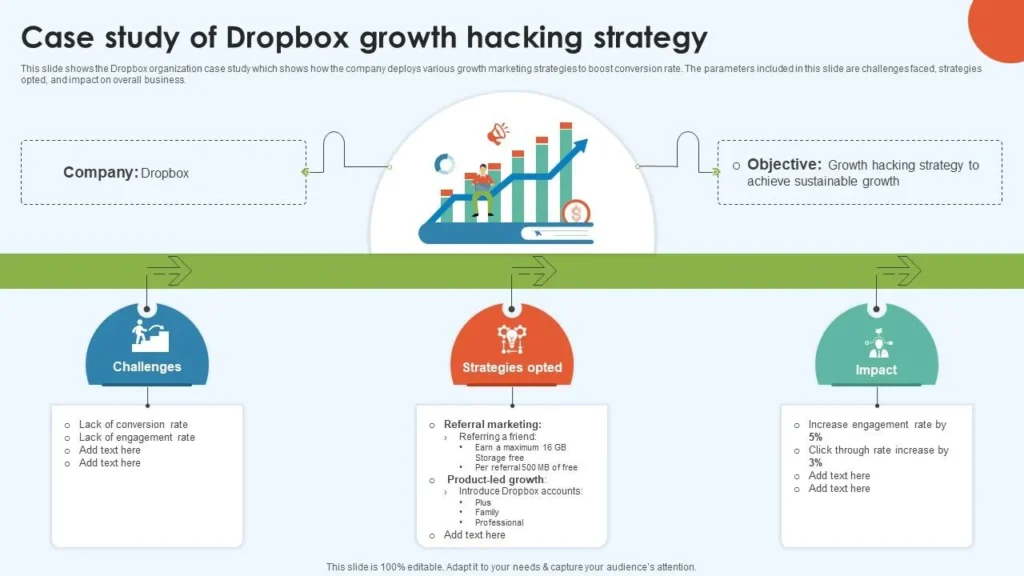
Dropbox didn’t rely heavily on paid advertising in its early stages. Instead, it built a referral system that rewarded users with additional storage for inviting others.
This turned users into growth channels.
Instead of spending money to acquire customers, they used existing users to bring in new ones.
The genius here is in alignment:
Users wanted more storage → Dropbox wanted more users
That alignment created a win-win loop.
Why it worked:
- incentive-based
- scalable
- low cost
How to apply this:
If you’re working with a limited budget, this is one of the most effective strategies.
Start by identifying:
- what value you can offer
- what action you want users to take
Then create a simple exchange:
“Do this → Get this”
It could be:
- discounts
- free features
- exclusive access
At this stage, your focus should be on incentivizing behavior, not forcing it.
8. Zomato Notifications
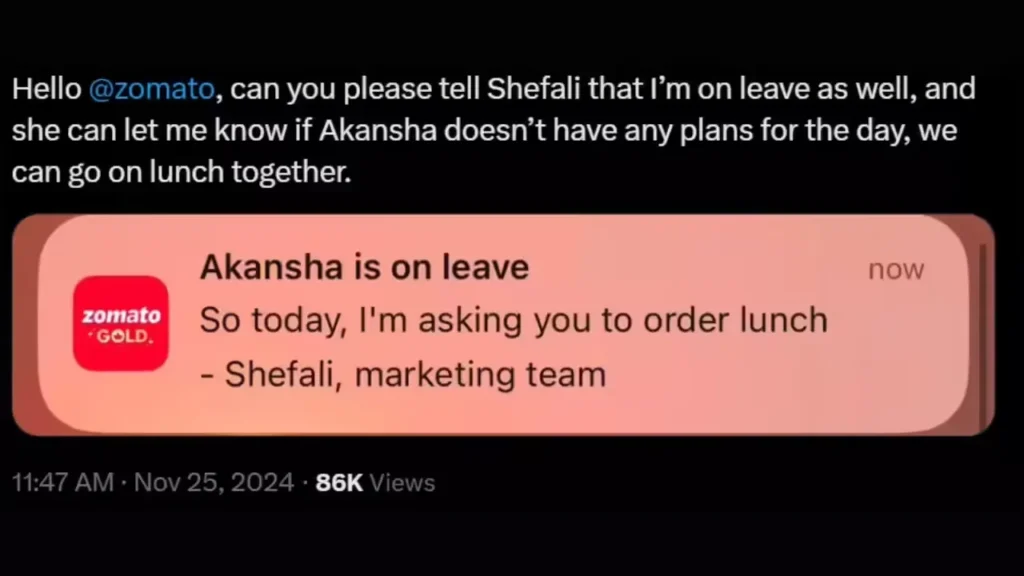
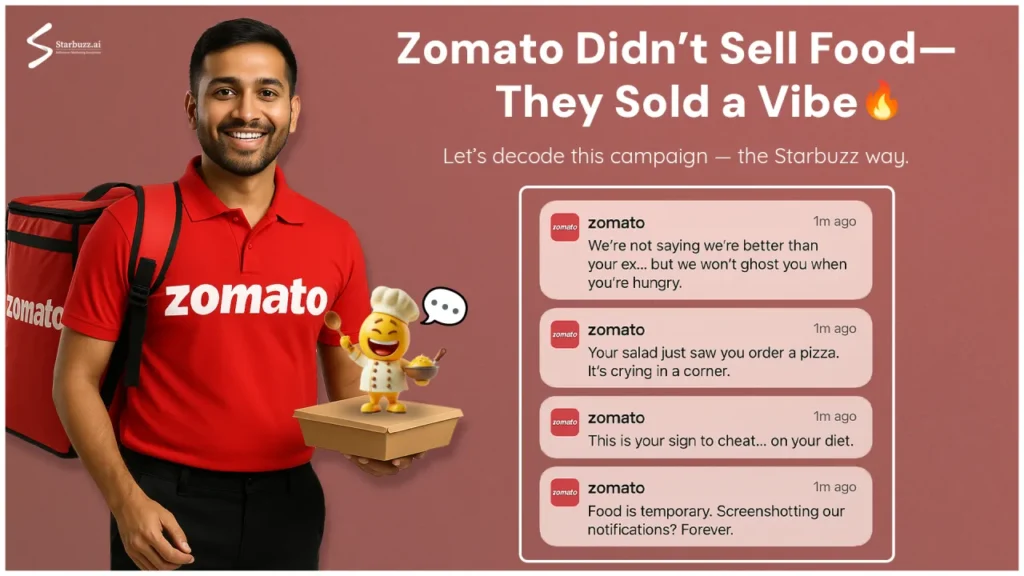
Zomato turned one of the most ignored marketing channels—push notifications—into something people actually look forward to.
Instead of sending generic messages like “Order now,” they crafted witty, relatable, and often humorous notifications that felt personal.
The brilliance here is subtle.
They didn’t change the channel—they changed the tone.
And that made all the difference.
Users didn’t feel like they were being sold to. They felt entertained.
Why it worked:
- timing
- relatability
- humor
How to apply this:
Look at your current communication channels:
- notifications
- SMS
Now ask:
“Does this feel human or robotic?”
At this stage, rewriting your messaging can significantly improve engagement without increasing cost.
Sometimes, the biggest improvement comes not from new strategies—but from better communication.
9. Swiggy Real-Time Marketing
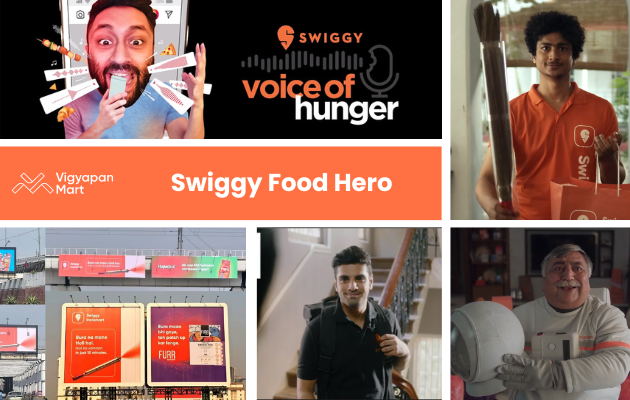
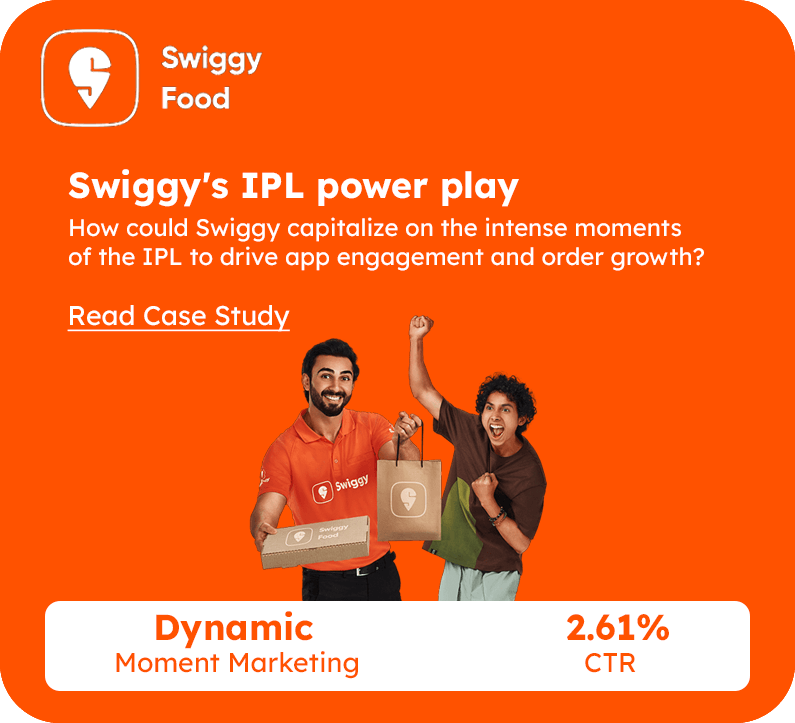
Swiggy mastered the art of reacting quickly to cultural moments.
Whether it’s a cricket match, a trending meme, or a viral topic, they consistently create content that feels relevant right now.
This is what makes their campaigns feel alive.
They’re not planned months in advance—they’re executed in the moment.
Speed becomes the competitive advantage.
Why it worked:
- relevance
- timing
- cultural connection
How to apply this:
You don’t need a large team to do this.
But you do need awareness and readiness.
At this stage:
- monitor trends daily
- identify opportunities quickly
- create simple, fast content
Even a single well-timed post can outperform weeks of planned content.
10. Notion Community Growth
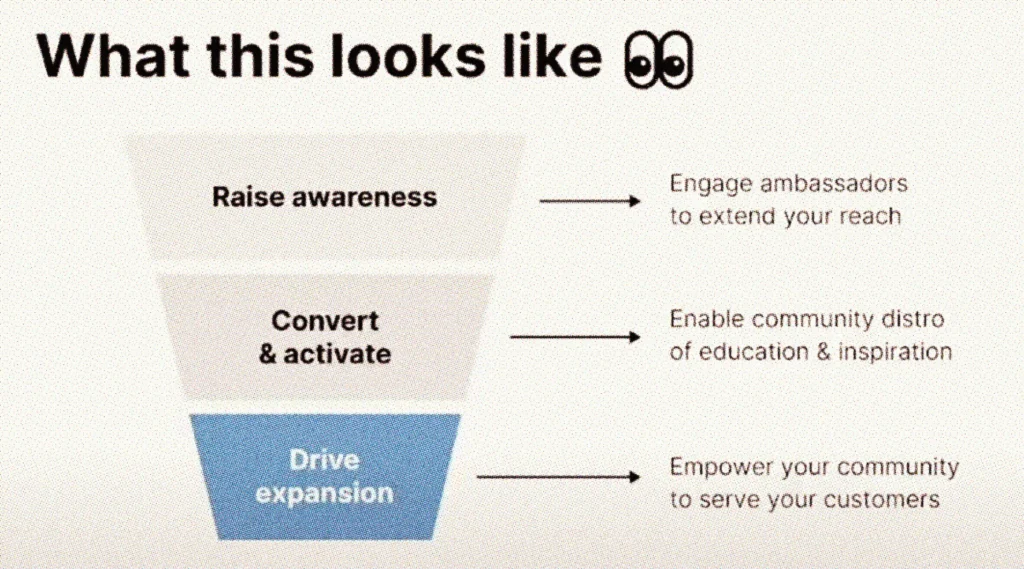
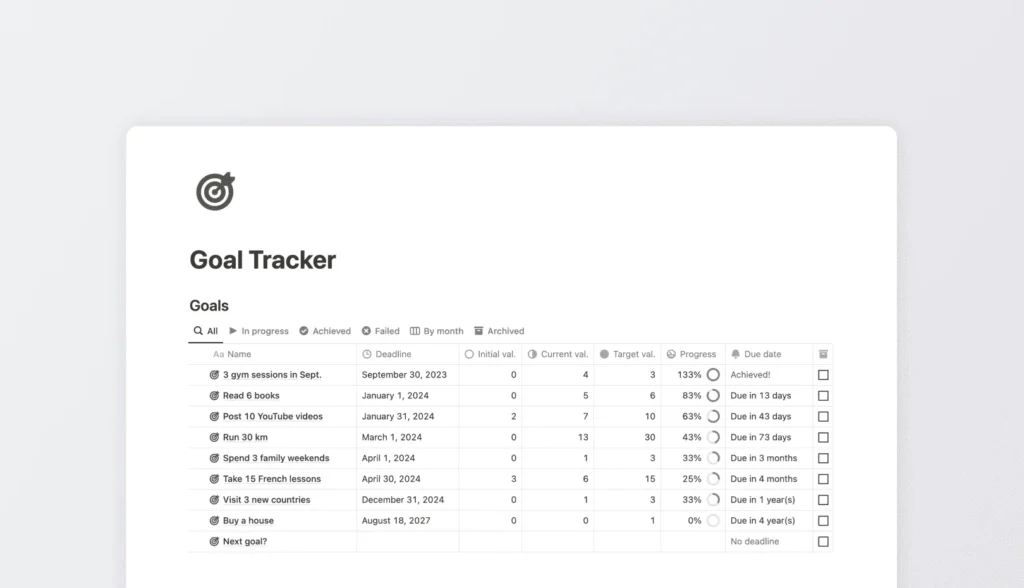
Notion didn’t grow by aggressively pushing ads. Instead, it built a system where users created templates, shared workflows, and helped others use the product.
This created a strong community around the product.
Users weren’t just customers—they became contributors.
And contributors naturally become promoters.
That’s the difference between audience and community.
Why it worked:
- community-driven growth
- product-led strategy
How to apply this:
If your product allows it, create space for users to:
- share ideas
- create content
- contribute value
At this stage, your role shifts from creator to facilitator.
Instead of asking:
“How do we market this?”
Start asking:
“How do we enable users to market it for us?”
That shift can completely change your growth trajectory.
How to Create a Digital Marketing Campaign (Step-by-Step)
Now that you’ve seen examples, let’s build one.
This is where most guides fail—they stop at inspiration.
We move into execution.
Step 1: Define Your Goal
Before anything, ask:
What outcome do I want?
It could be:
- leads
- traffic
- sales
Use tools like Google Analytics to understand where your current traffic stands.
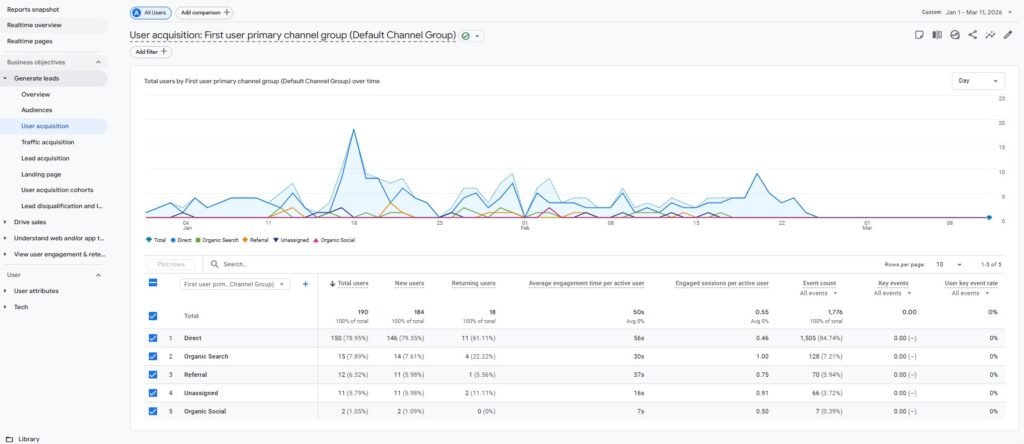
Go to:
- Reports → Acquisition
- Check where users come from
This tells you what to improve.
Step 2: Research Audience & Keywords
Use tools like:
- SEMrush
- Ahrefs
Go to keyword overview.
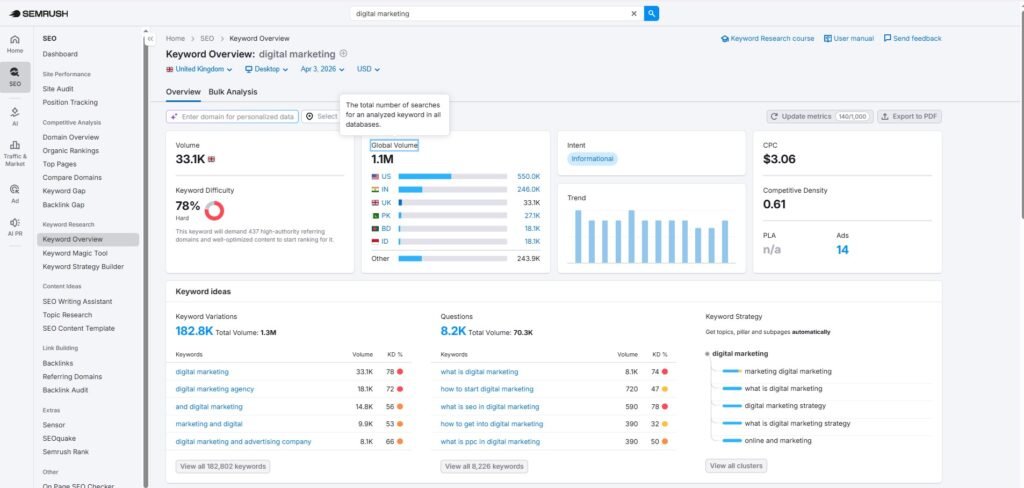
Search your topic.
Look for:
- search volume
- intent
- related keywords
This helps you align your campaign with real demand.
Step 3: Choose Channels
A campaign is multi-channel.
You can use:
- SEO
- Google Ads
- Meta Ads
For example:
In Google Ads:
- create campaign
- choose objective (traffic/leads)
- define audience
Step 4: Create Content
Now build assets:
- landing page
- ads
- posts
Focus on:
clarity + value
Step 5: Launch & Monitor
After launching:
- track CTR
- conversion rate
- engagement
In GA4:
- go to Events
- track conversions
Step 6: Optimize
Based on data:
- improve ads
- adjust targeting
- refine content
Digital Marketing Campaign Strategy Framework
Instead of random execution, follow this flow:
Awareness → Interest → Action → Retention
At each stage:
- Awareness → social + ads
- Interest → content + SEO
- Action → landing pages
- Retention → email + remarketing
If you’re unsure how to structure this, this guide on how to create a digital marketing strategy can help you map it properly.
Budget Planning & Cost
Campaign cost depends on:
- platform
- competition
- audience
For example:
In Google Ads:
- CPC varies
- start small
- test → scale
At this stage:
Don’t aim for perfection
Aim for learning
How to Measure Campaign Success
Success is not just traffic.
Track:
- conversions
- cost per lead
- ROI
In GA4:
- check conversions
- compare channels
Also use:
- Google Search Console (SEO performance)
- Meta Ads dashboard
Common Mistakes to Avoid
Most campaigns fail because:
- no clear goal
- no tracking
- copying competitors blindly
- ignoring data
If you’re starting out, this guide on digital marketing for small business can help you avoid beginner mistakes.
Conclusion
A great digital marketing campaign is not about creativity alone.
It’s about:
- understanding people
- structuring strategy
- executing consistently
Now you’ve seen:
- real campaigns
- how they worked
- how to apply them
The next step is simple:
Start building your own campaign
And if managing all of this feels overwhelming, working with a digital marketing agency in london like Rankraze can help you turn strategy into execution.
What is a digital marketing campaign?
A digital marketing campaign is a structured effort to promote a product or service using online channels like SEO, ads, and social media, with a specific goal such as traffic, leads, or sales. It differs from regular marketing because it is targeted, measurable, and time-bound.
How do you create a digital marketing campaign?
Start by defining your goal, then research your audience using tools like SEMrush or Ahrefs. Choose your channels (SEO, ads, social), create content, launch the campaign, and track performance using Google Analytics. Optimize based on results to improve performance over time.
How much does a digital marketing campaign cost?
The cost depends on your channels and competition. SEO campaigns require time investment, while paid ads like Google Ads or Meta Ads require budget. Start small, test performance, and scale based on results rather than spending heavily upfront.
What makes a digital marketing campaign successful?
A successful campaign has a clear goal, strong messaging, proper targeting, and continuous optimization. It connects with the audience emotionally or practically and uses data to refine performance over time.
What is the best type of digital marketing campaign?
There is no single best type. The most effective campaigns combine multiple channels like SEO, paid ads, and social media to guide users through awareness, interest, and conversion stages.