
If you run a legal website in London, you’ve probably already noticed how competitive Google rankings have become over the last few years. Whether you operate in family law, immigration law, criminal defense, employment law, or corporate law, simply publishing service pages is no longer enough to rank consistently.
I’ve seen many legal websites invest heavily into design, content writing, and even technical SEO, yet struggle to move beyond page two because they lacked authority signals. In most cases, the missing piece was backlinks.
That is exactly where link building becomes important.
In this beginner’s guide, I’ll explain how link building works for legal websites in 2026, why it matters more than ever after Google’s continued emphasis on E-E-A-T (Experience, Expertise, Authority, and Trust), and the exact ethical strategies beginners can use to build high-quality backlinks safely.
I’ll also walk through:
By the end of this guide, you should have a practical understanding of how link building campaigns are planned and executed for legal sites today.
Before talking about strategies, it’s important to understand what backlinks actually are and why Google treats them as ranking signals.
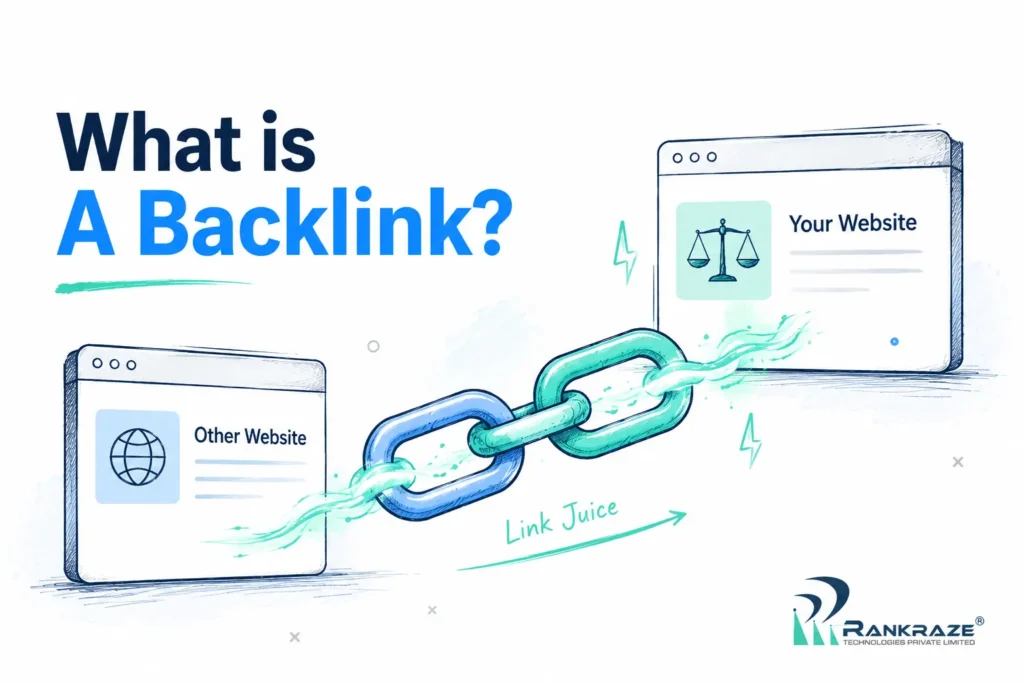
A backlink is simply a link from another website pointing to your website. For example, if a legal blog references your divorce statistics page and links to it, that becomes a backlink.
Google uses backlinks as signals of trust and credibility. In simple terms, when relevant websites mention and link to your law firm, search engines interpret that as a sign that your website contains useful or authoritative information.
However, not every backlink carries the same value.
A Backlink From:
will usually have far more impact than random low-quality links from unrelated websites.
This is especially important in the legal industry because legal websites fall under Google’s YMYL category (“Your Money or Your Life”). These are industries where misinformation could directly affect someone’s finances, legal decisions, health, or safety. Because of that, Google evaluates legal websites much more strictly compared to many other niches.
According to Google’s Search Quality Evaluator Guidelines, authority and trust signals play a major role in how YMYL websites are evaluated.
That is one of the reasons why link building still matters heavily in 2026.
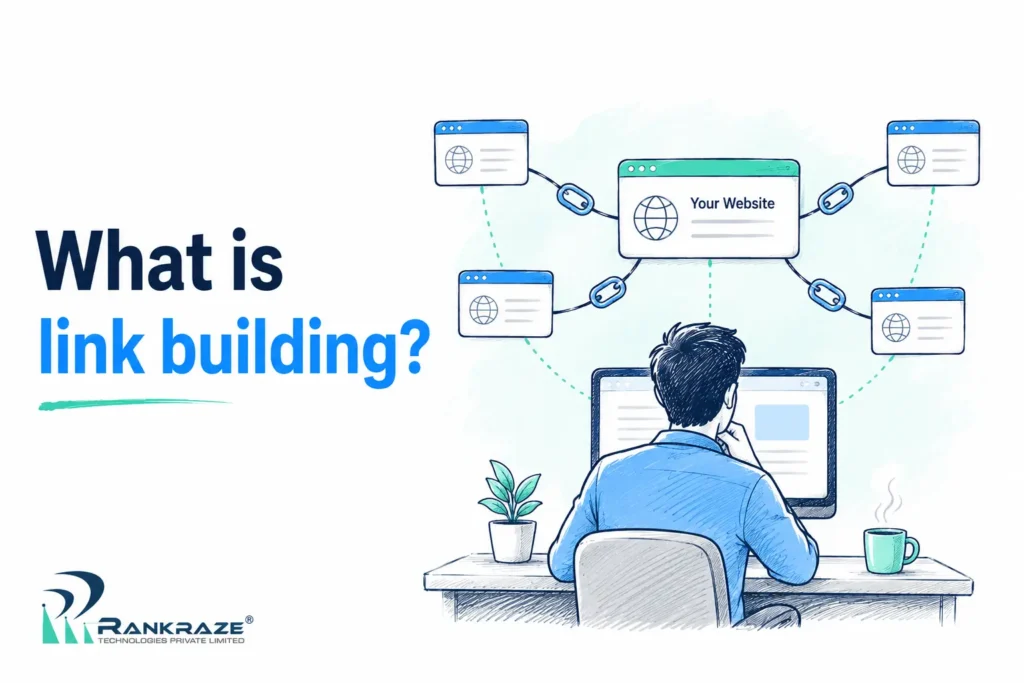
Link building is the process of acquiring backlinks from other websites to improve your site’s authority, visibility, and rankings in search engines.
In practical SEO campaigns, link building usually involves:
When I analyze successful legal SEO campaigns, one thing becomes very obvious: most top-ranking legal websites are not ranking because they stuffed keywords into pages. They rank because they have accumulated trust signals over time.
Those trust signals often come from:
A common misconception beginners have is that link building means “buying backlinks.” In reality, the safest and most sustainable legal SEO campaigns focus on earning links through relevance and authority.
That distinction matters because Google’s spam systems have become significantly better in recent years. According to Google’s Spam Policies documentation, manipulative link schemes can lead to ranking suppression or manual actions.
For legal websites, trust is everything. A weak backlink profile often limits ranking growth even if the content quality is strong.
One of the biggest patterns I’ve noticed about legal sites is that backlinks directly affect how competitive practice-area pages perform.
For example, a London family lawyer page competing for terms like:
is usually competing against firms with years of accumulated authority.
That authority is rarely built from content alone.
According to Ahrefs’ study on Google ranking factors, pages ranking at the top of Google often have significantly more referring domains than lower-ranking pages.
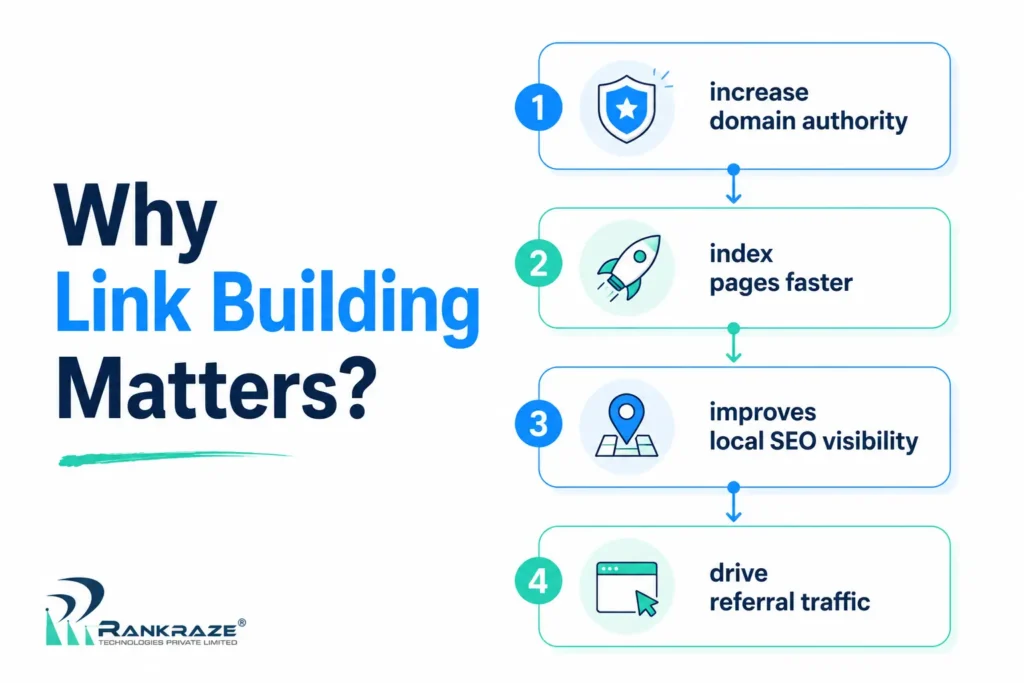
For legal firms, backlinks help in several practical ways.
First, they increase domain authority and topical trust. When multiple legal or business-related websites link to your content, Google gains stronger confidence in your expertise.
Second, backlinks help search engines discover and index pages faster. I’ve seen legal resource pages get indexed significantly quicker after earning mentions from authoritative domains.
Third, link building improves local SEO visibility. This becomes especially important for firms targeting specific locations in London. Local citations, local news mentions, and community links reinforce geographic relevance.
Finally, backlinks drive referral traffic. A podcast appearance, guest article, or resource mention can bring qualified visitors directly to your website even outside Google rankings.
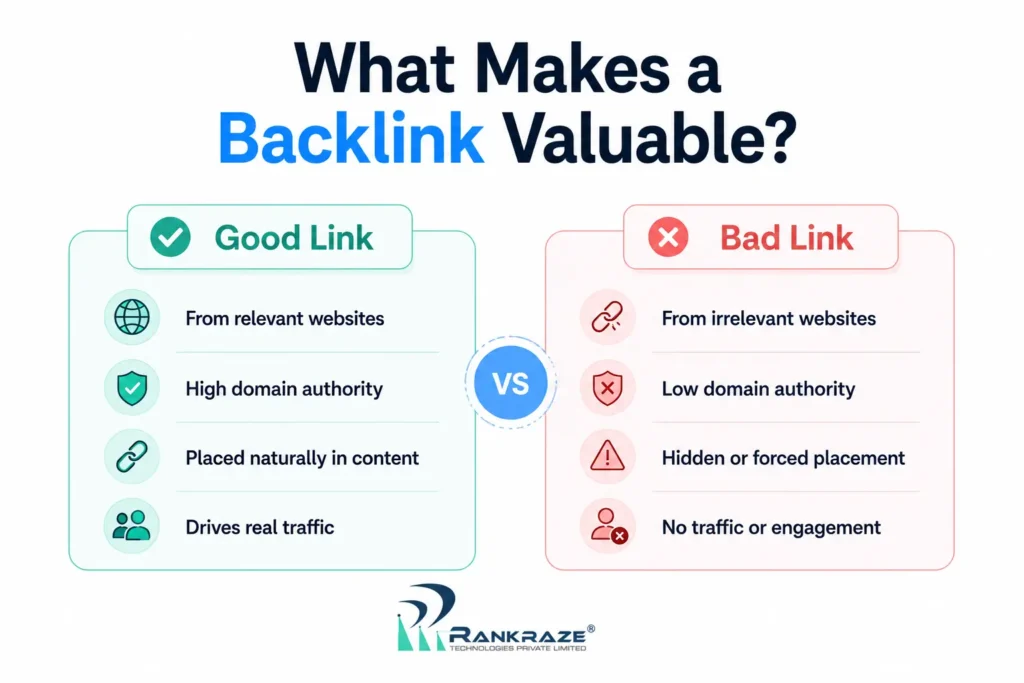
Beginners often focus too heavily on metrics like DA or DR without understanding what actually makes a backlink useful.
A strong backlink usually combines four major factors:
For example, a backlink from a respected legal publication discussing employment law carries stronger contextual relevance than a random generic business directory.
Similarly, a contextual backlink naturally placed inside a legal article typically has more SEO value than a footer link or profile link.
When I evaluate backlink opportunities using SEMrush Backlink Analytics, I usually check:
A beginner mistake I frequently notice is chasing websites with inflated authority metrics but no actual traffic. If a website has an Authority Score of 60 but receives almost no search traffic, that is usually a warning sign.
To verify traffic quality:
If the site shows:
I Generally Avoid It.
Before starting link building for a legal website, it’s important to understand that not every backlink helps rankings. In fact, low-quality backlinks can weaken your authority and make it harder to build long-term trust in Google, especially because legal websites fall under Google’s YMYL category.
One thing I’ve consistently noticed while analyzing legal sites is that beginners often focus too heavily on backlink quantity instead of backlink quality. In competitive markets like London, relevance and trust matter far more than simply increasing backlink numbers.
Some of the most common link building mistakes I would avoid in 2026 include:
For example, a backlink from a trusted legal publication or local London business website usually provides far more SEO value than dozens of unrelated backlinks from spammy blogs.
When evaluating backlink opportunities, I generally recommend checking:
You can verify this inside SEMrush Domain Overview or Ahrefs Site Explorer by reviewing:
For legal SEO, sustainable authority almost always comes from earning relevant and trustworthy backlinks consistently over time rather than chasing shortcuts.
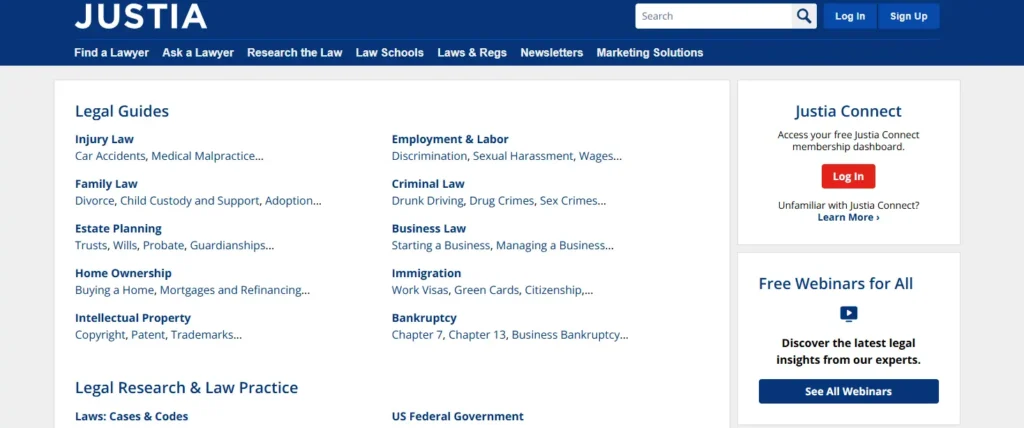
For beginners, directory links and local citations are usually the safest place to start.
Legal directories help Google validate that your law firm is legitimate and geographically relevant. They also strengthen NAP consistency, which refers to your:
Consistency across listings helps local SEO performance.
Some strong legal directories include:
You should also build local citations through:
For a deeper understanding of citations, I recommend reading Moz’s local citation guide.
I usually start by searching operators like:
Then I manually review:
A practical method beginners can use:
This approach helps uncover directories already trusted in your legal niche.
Guest posting still works in 2026, but only when it is done selectively and contextually.
The purpose of guest posting today is not simply “getting backlinks.” The real value comes from:
For legal firms, relevant guest posting opportunities often exist on:
One thing I strongly recommend beginners avoid is mass guest posting campaigns on unrelated websites. Google has become much better at detecting low-quality guest post networks.
According to Ahrefs’ guest blogging guide, relevance matters far more than volume.
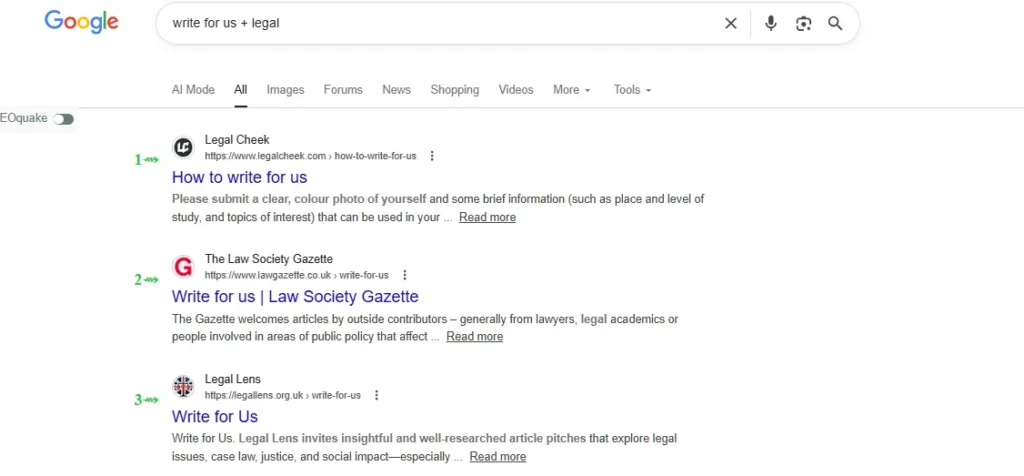
I usually combine Google search operators with competitor backlink research.
Google operators:
Then I cross-check competitors by,
After that, I manually review:
When pitching guest posts, personalization matters heavily. You mentioned you have a screenshot of your guest post outreach email. That screenshot would fit naturally in this section because it demonstrates real outreach execution rather than theory.
One of the most effective legal SEO strategies in 2026 is creating linkable assets.
A linkable asset is a piece of content specifically designed to attract backlinks naturally over time.
These usually include:
I’ve noticed that legal sites earning the strongest editorial backlinks often invest heavily into this type of content because journalists, bloggers, and publishers constantly need reliable sources to cite.
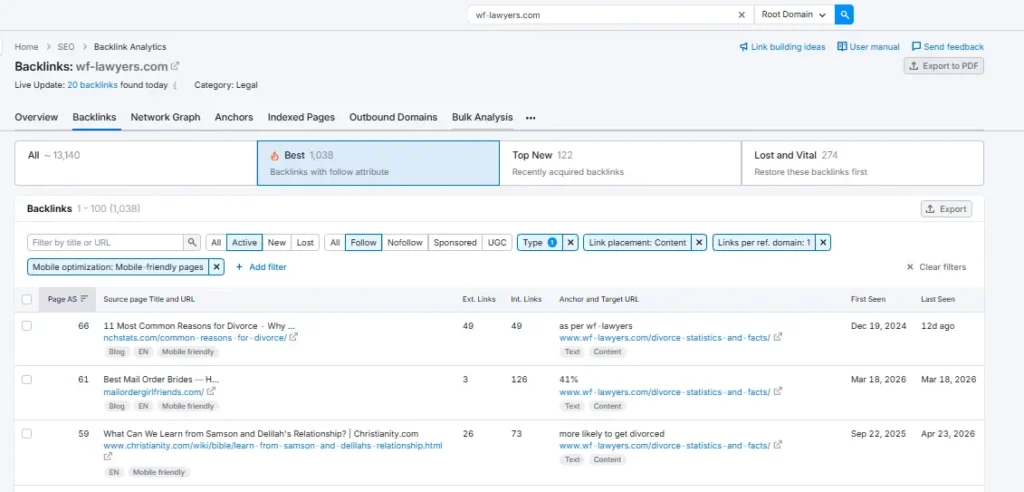
A strong real-world example is WF Lawyers’ Divorce Statistics page.
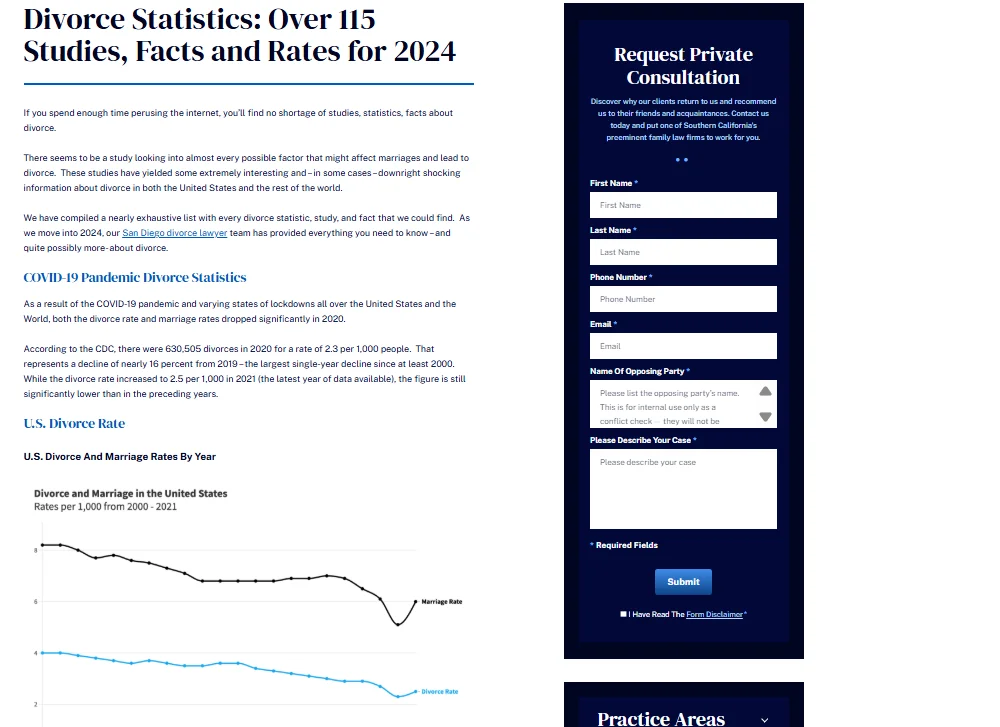
That Page:
According to SEMrush, the page has accumulated thousands of backlinks because writers frequently reference statistics in articles (See the screenshot below).
This is a good example of content created specifically for link acquisition rather than direct conversions.
I usually start by analyzing competitors’ most linked pages.
Inside Ahrefs Site Explorer:
You’ll often notice:
attract significantly more links than ordinary service pages.
That pattern tells you what type of content publishers naturally reference.
Free tools work exceptionally well because they provide immediate utility.
People naturally link to resources that solve problems quickly.
For legal websites, common tool ideas include:
A good example is Nolo’s legal products and tools. Their ecosystem includes:
These assets attract backlinks because they are genuinely useful.
Free tools work exceptionally well because they provide immediate utility.
People naturally link to resources that solve problems quickly.
For legal websites, common tool ideas include:
A good example is Nolo’s legal products and tools. Their ecosystem includes:
These assets attract backlinks because they are genuinely useful.
A beginner-friendly process:
This process often reveals which types of tools attract links in your legal niche.
Unlinked brand mentions are one of the easiest backlink opportunities many legal firms ignore.
This happens when another website mentions your:
without linking to your website.
I like this strategy because the publisher already knows your brand. You are not pitching a cold introduction. You are simply requesting proper attribution.
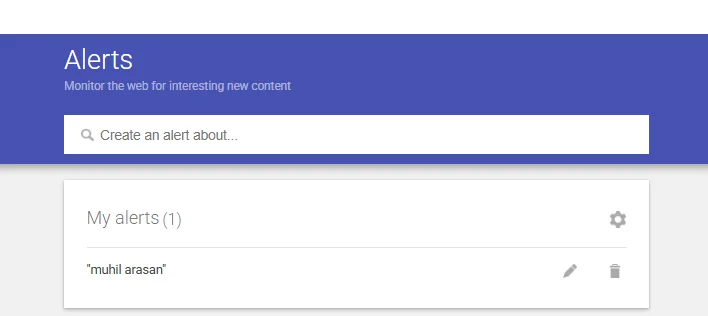
You Can Use:
Search for:
Then manually check whether the mention includes a hyperlink.
If not, send a polite outreach email requesting attribution.
Broken link building remains effective because websites naturally want to fix dead resources.
The process is straightforward:
Then conduct outreach explaining:
For deeper guidance, SEMrush’s broken link building guide explains the process in detail.
Podcasts are often overlooked in legal SEO, but they can generate:
Most podcast pages include: